Community fish
Fish that can share a planted tank without a war.
Peaceful freshwater species that belong in a mixed tank: tetras, rasboras, livebearers, corys, small gouramis. Bettas, mbuna, and oscars are not community fish even when the shop keeps them in the same rack.
A community is one midwater school, a bottom group of the same water type, and maybe shrimp if the mouths are small. That is the whole recipe. Add a rainbow shark or a male betta and it is no longer a community.
Match temperature and pH, then count adults in stocking. Peaceful fish can still over-ammonia a 10. The 20 long is the default first mixed tank.
Skip
- Male bettas in a tetra tank “because the shop had them together.”
- Angelfish plus neon tetras in a tank the angels will grow into.
- Common plecos as the cleanup crew.
Run compatibility on the mix, then stocking with adult sizes.
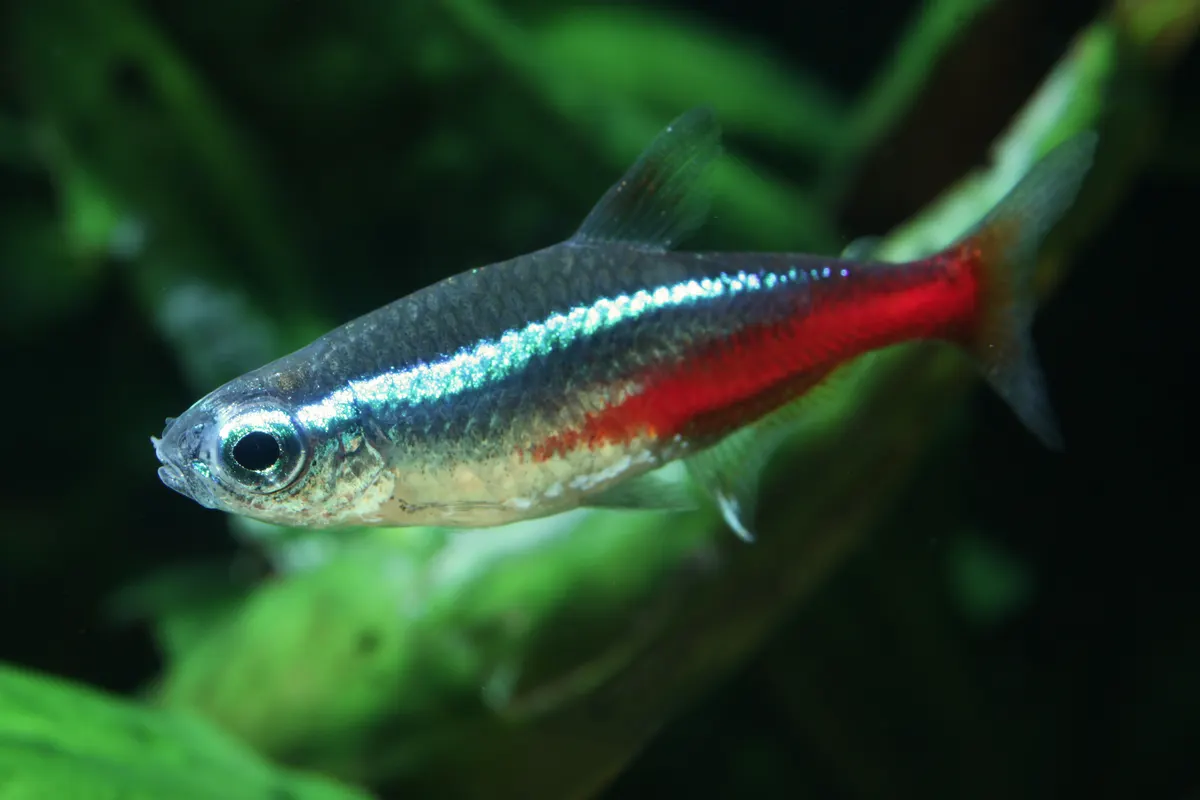
Neon Tetra
Paracheirodon innesi
The default midwater school.
A group of six-plus fills the middle of a 20 long so the tank does not look empty.
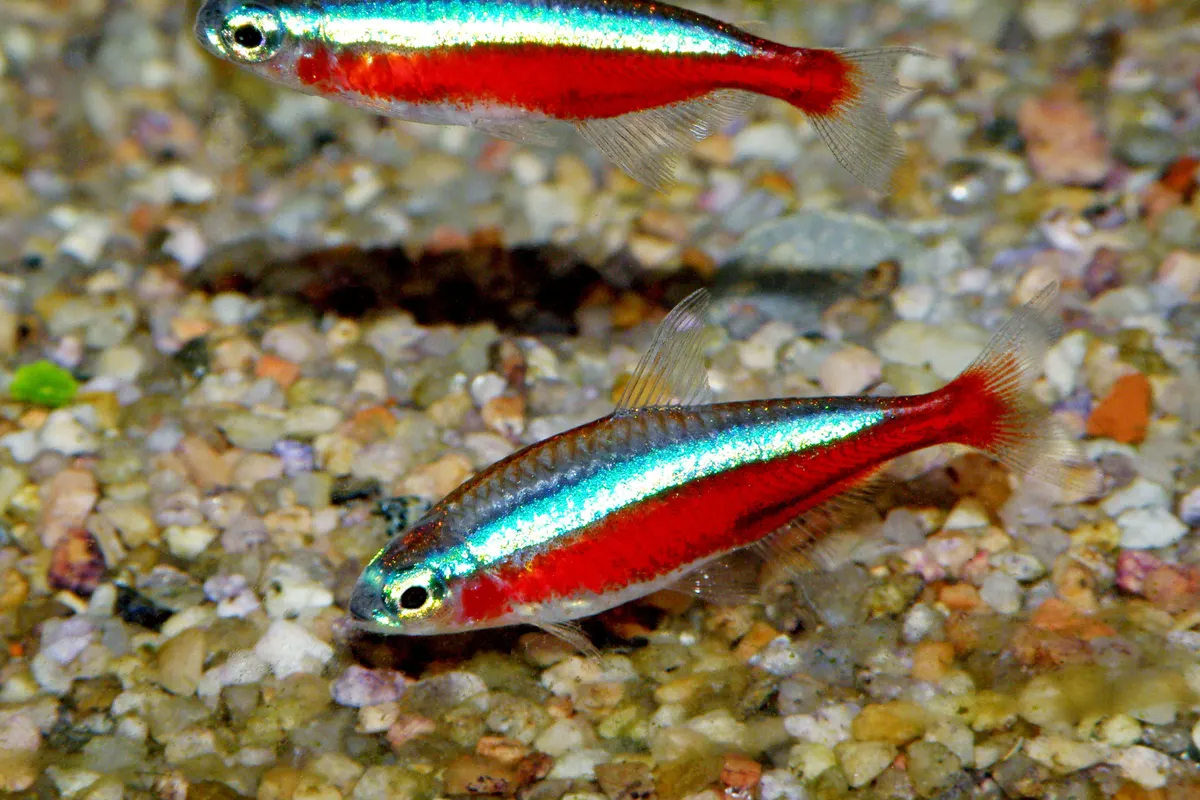
Cardinal Tetra
Paracheirodon axelrodi
A showier neon that wants better water.
Same schooling job as neons, with a full-body red stripe.
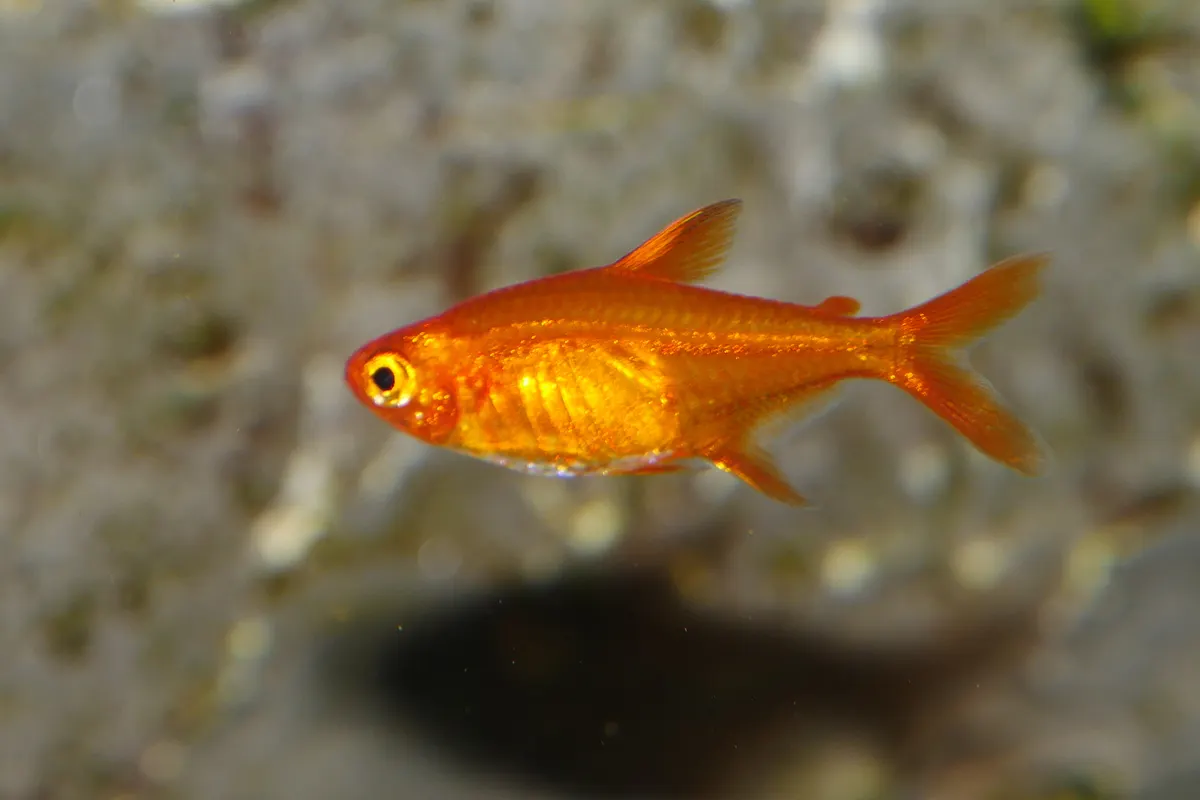
Ember Tetra
Hyphessobrycon amandae
Nano school for a planted 10.
Actually fits a 10-gallon as a group.
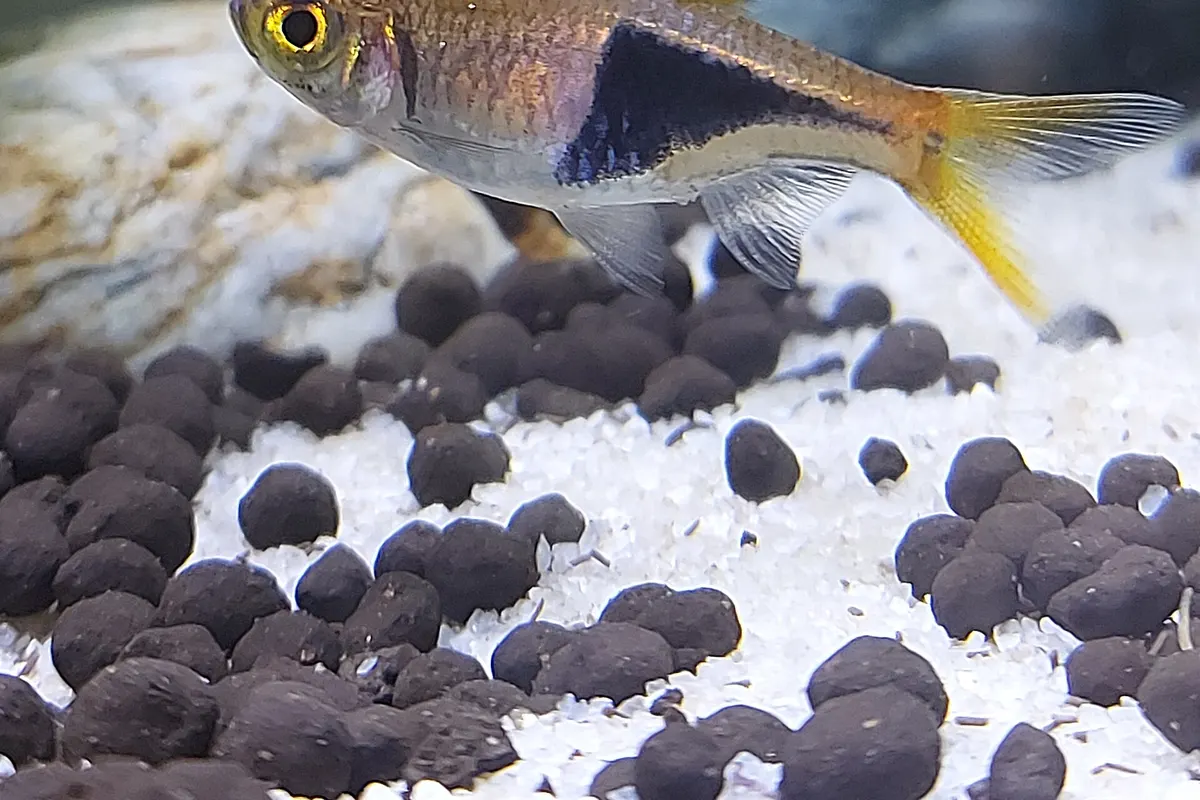
Harlequin Rasbora
Trigonostigma heteromorpha
Calm midwater school for a 20 long.
Less nippy than barbs, less fragile than cardinals.
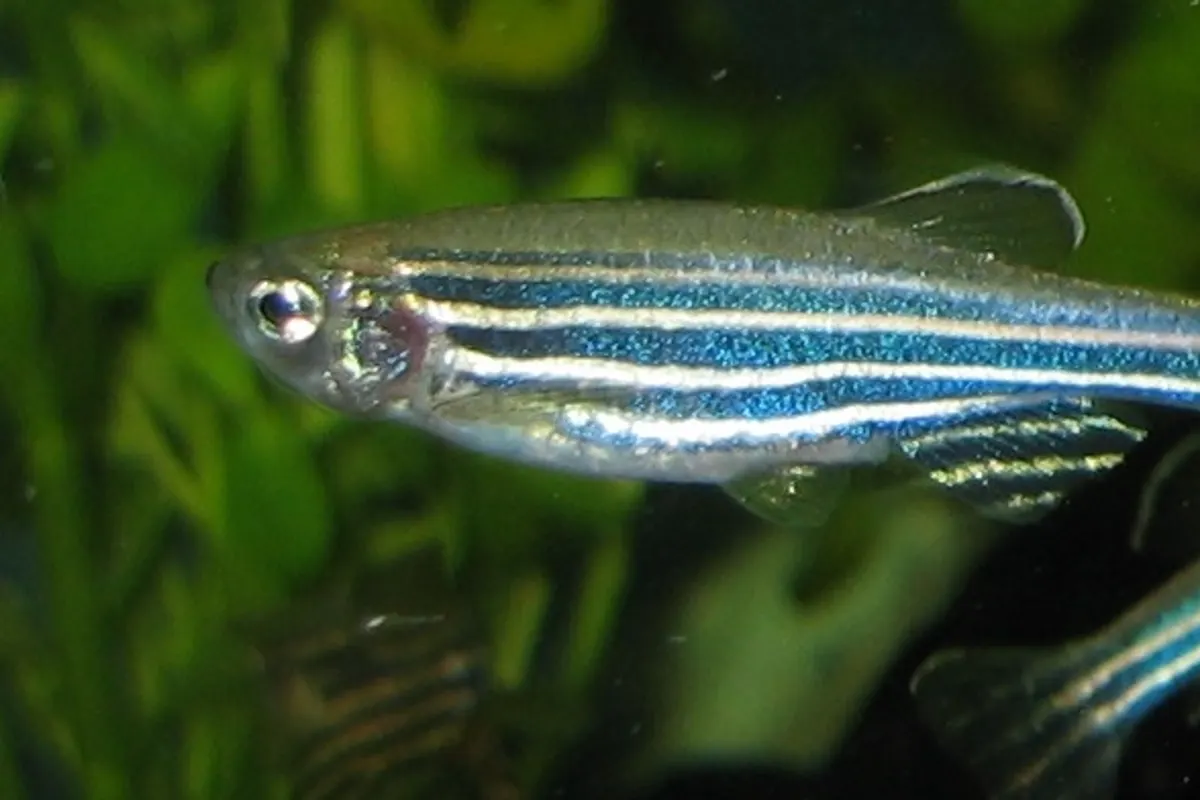
Zebra Danio
Danio rerio
Fast top-water school. Hardy, slightly chaotic.
Tolerates cooler rooms than tetras.
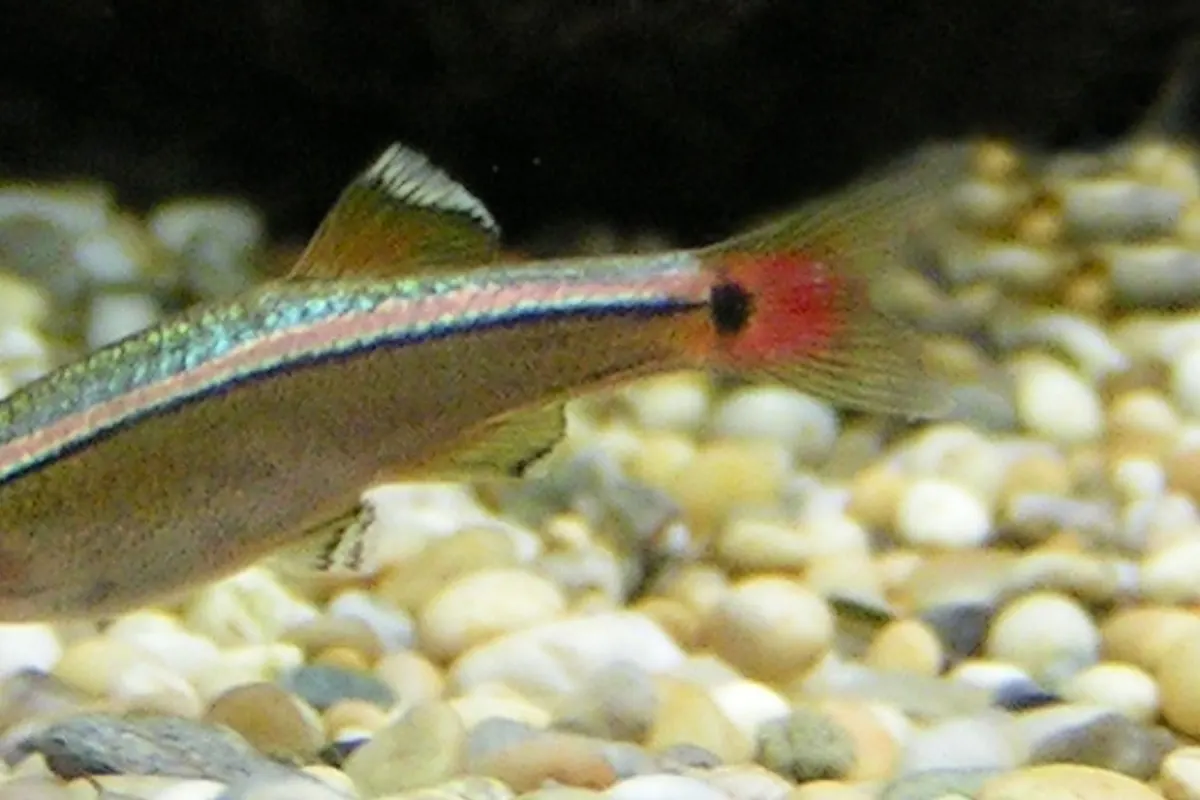
White Cloud Mountain Minnow
Tanichthys albonubes
The honest no-heater school.
Lives in the mid-60s without a heater if the room stays cool.
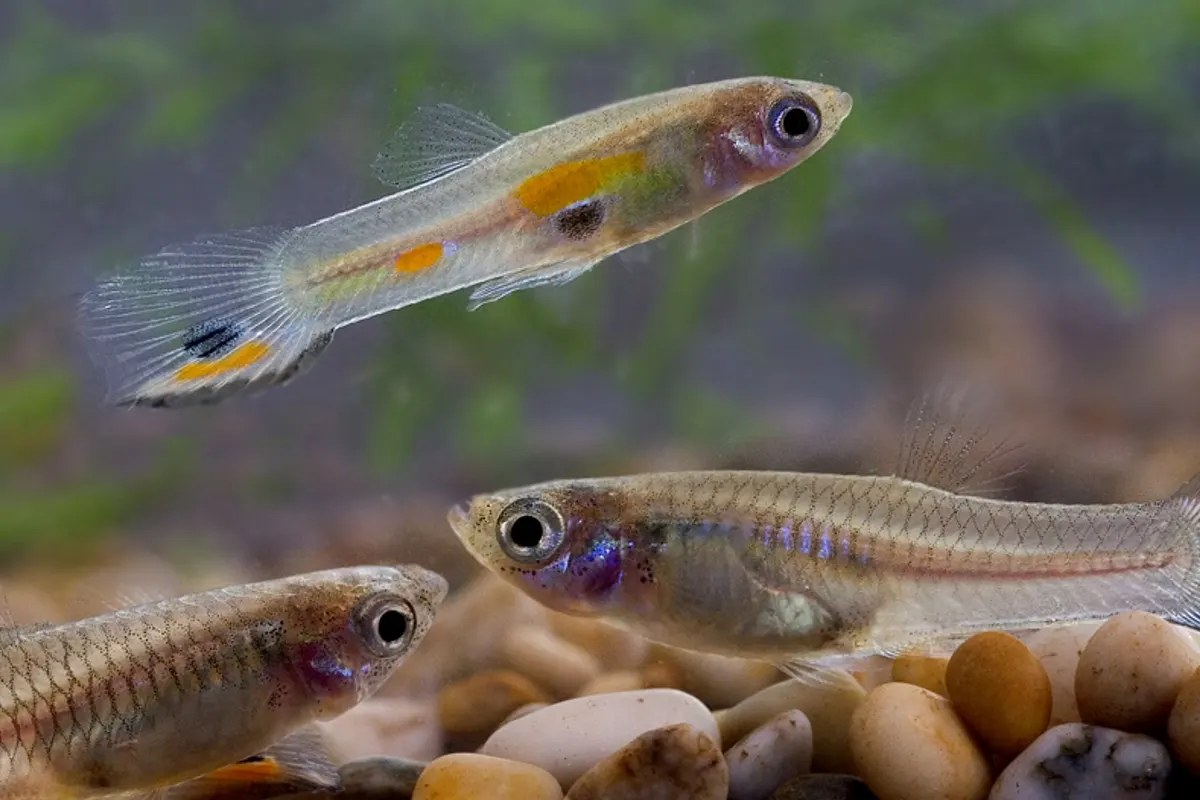
Guppy
Poecilia reticulata
Colorful livebearer. A population bomb if you mix sexes.
They pick leftover flakes and biofilm.
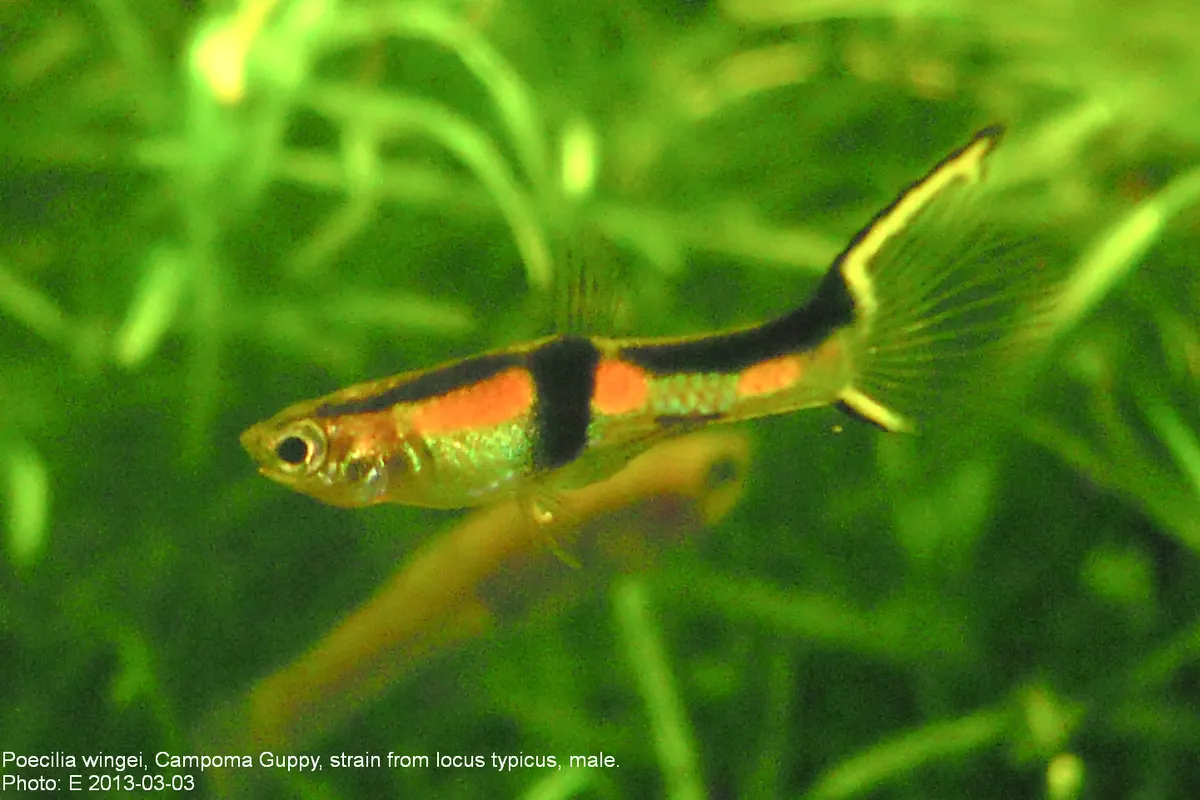
Endler's Livebearer
Poecilia wingei
A smaller, wilder guppy.
Grazes biofilm in planted nanos.
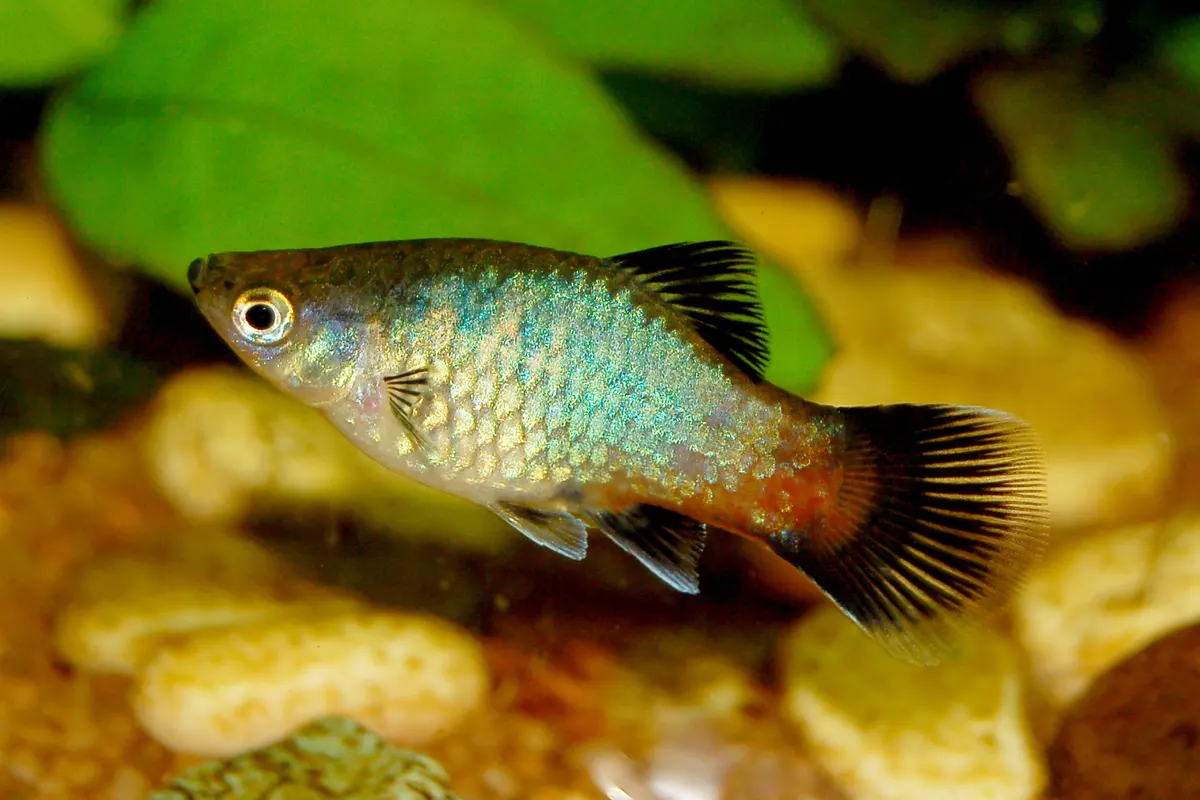
Platy
Xiphophorus maculatus
Sturdy livebearer for hard tap water.
Grazes a bit of algae and leftover food.
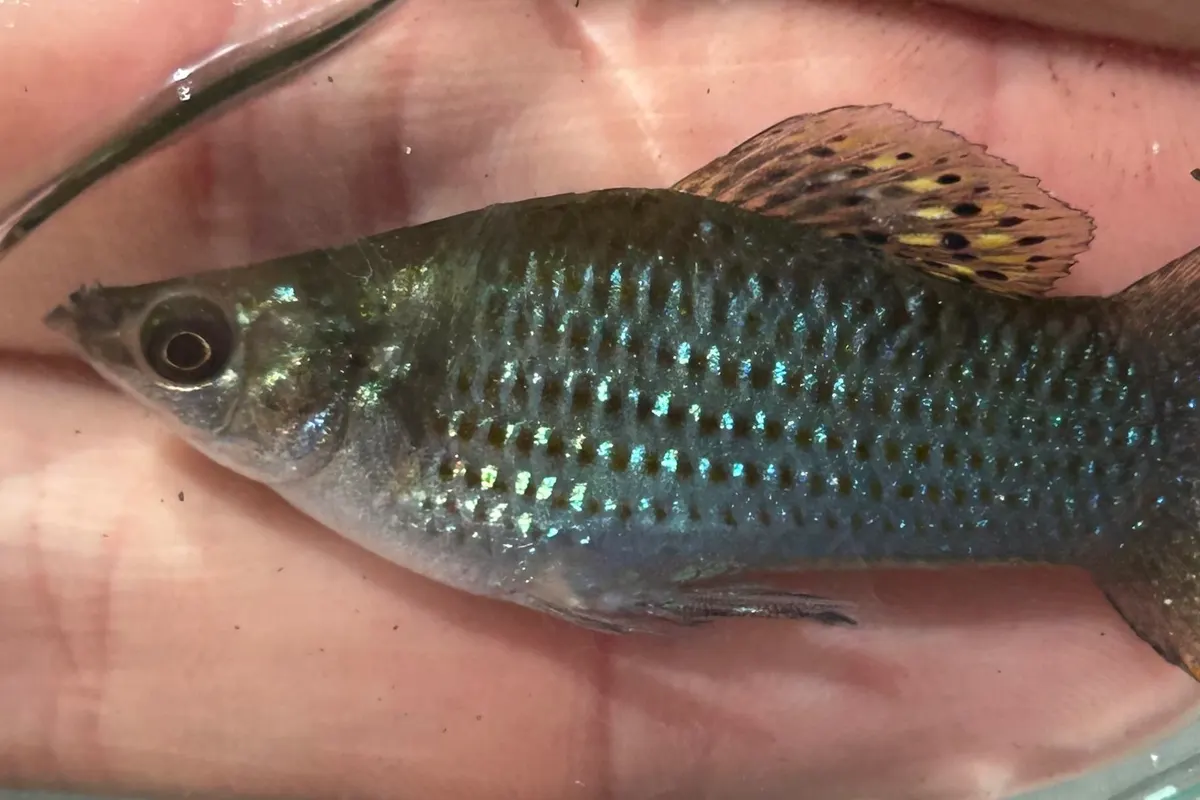
Molly
Poecilia sphenops
A livebearer that actually grazes algae.
Picks green film off glass and décor more than guppies do.
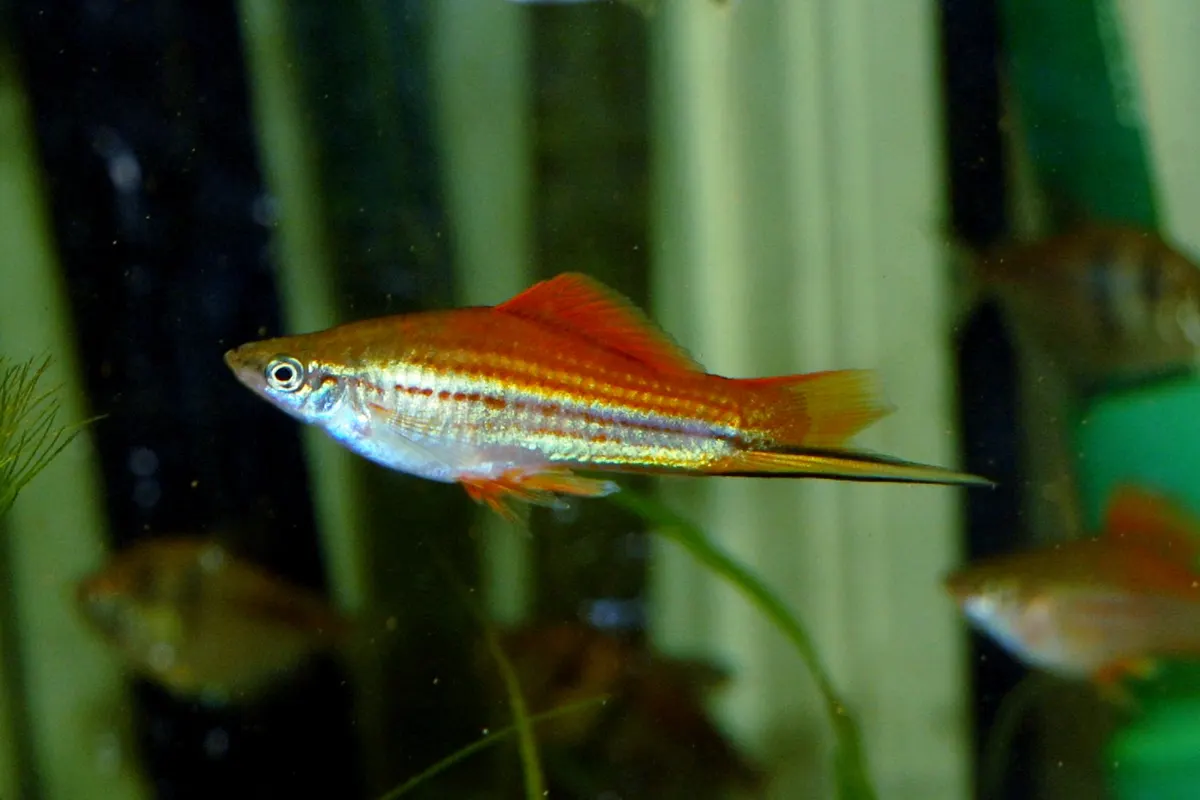
Swordtail
Xiphophorus hellerii
A bigger livebearer that uses the full water column.
Active swimmer in a 20 long.
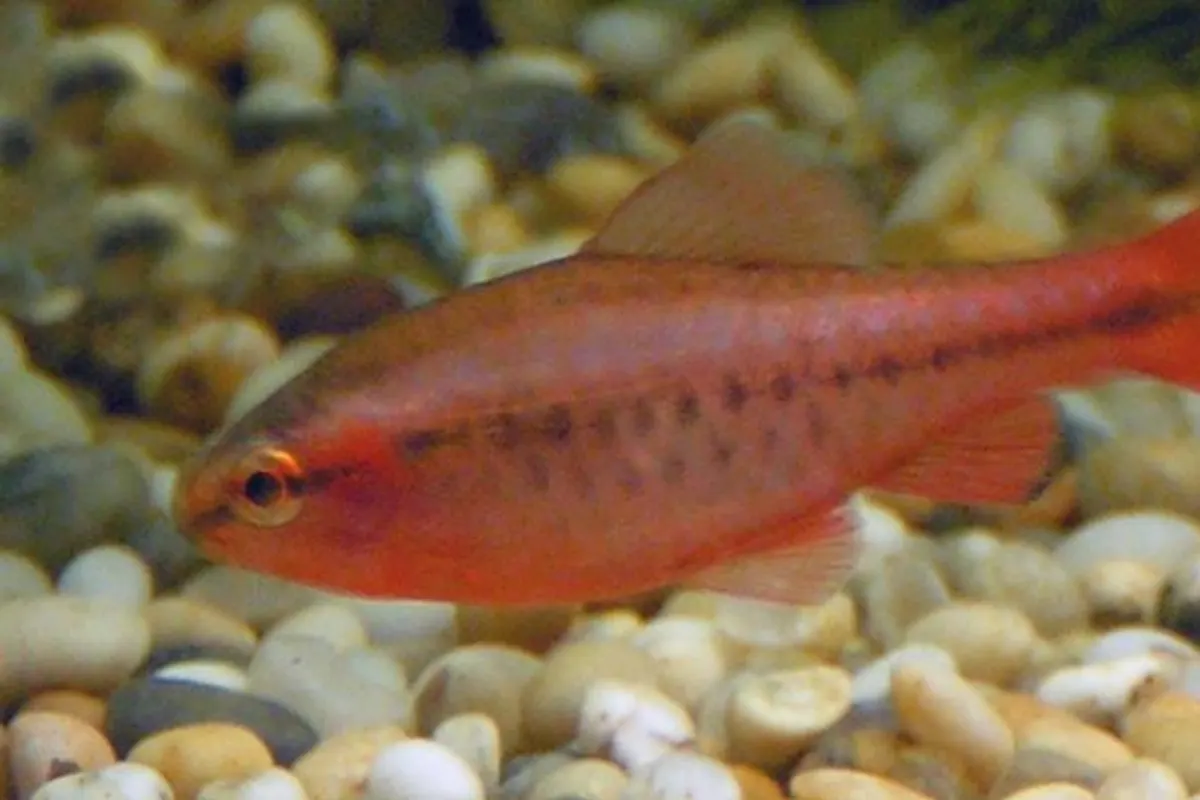
Cherry Barb
Puntius titteya
A peaceful barb for a planted 20.
Schooling color without tiger-barb nipping — if you keep six-plus.
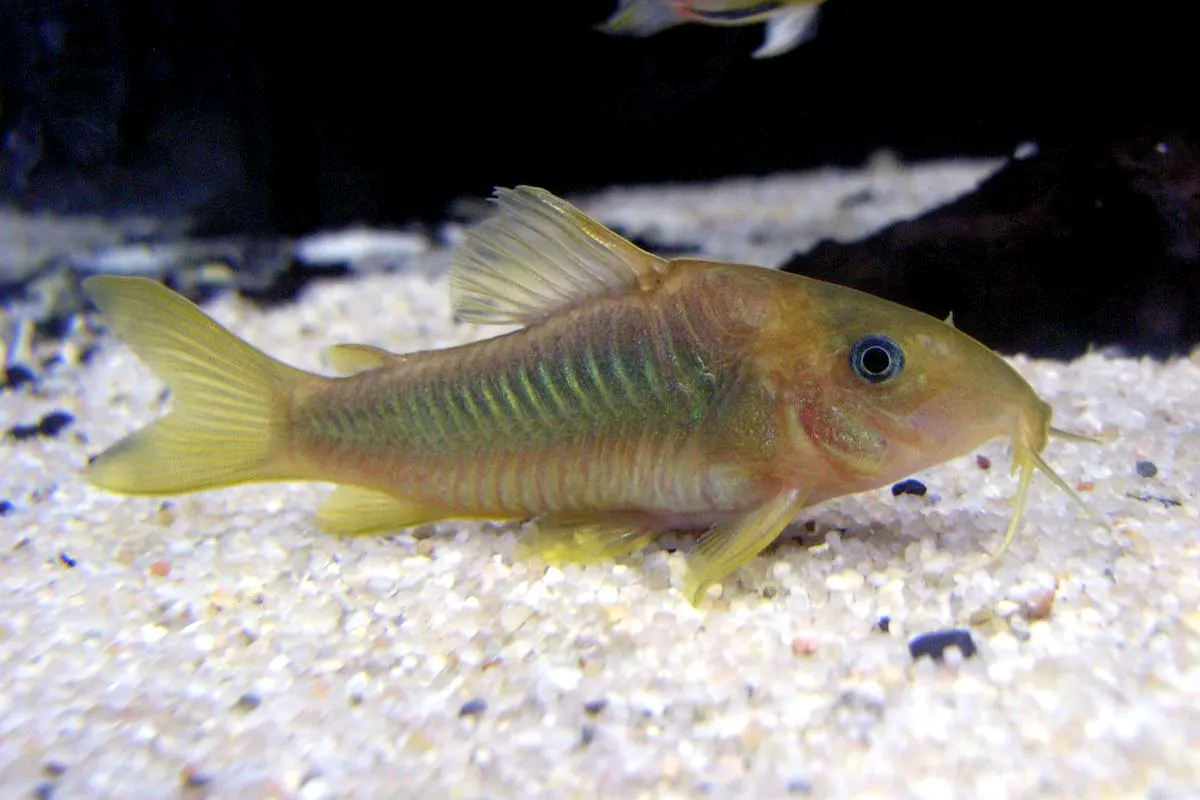
Corydoras Catfish
Corydoras spp.
The correct bottom crew for a community.
Sift sand so leftover food and mulm do not sit and rot.
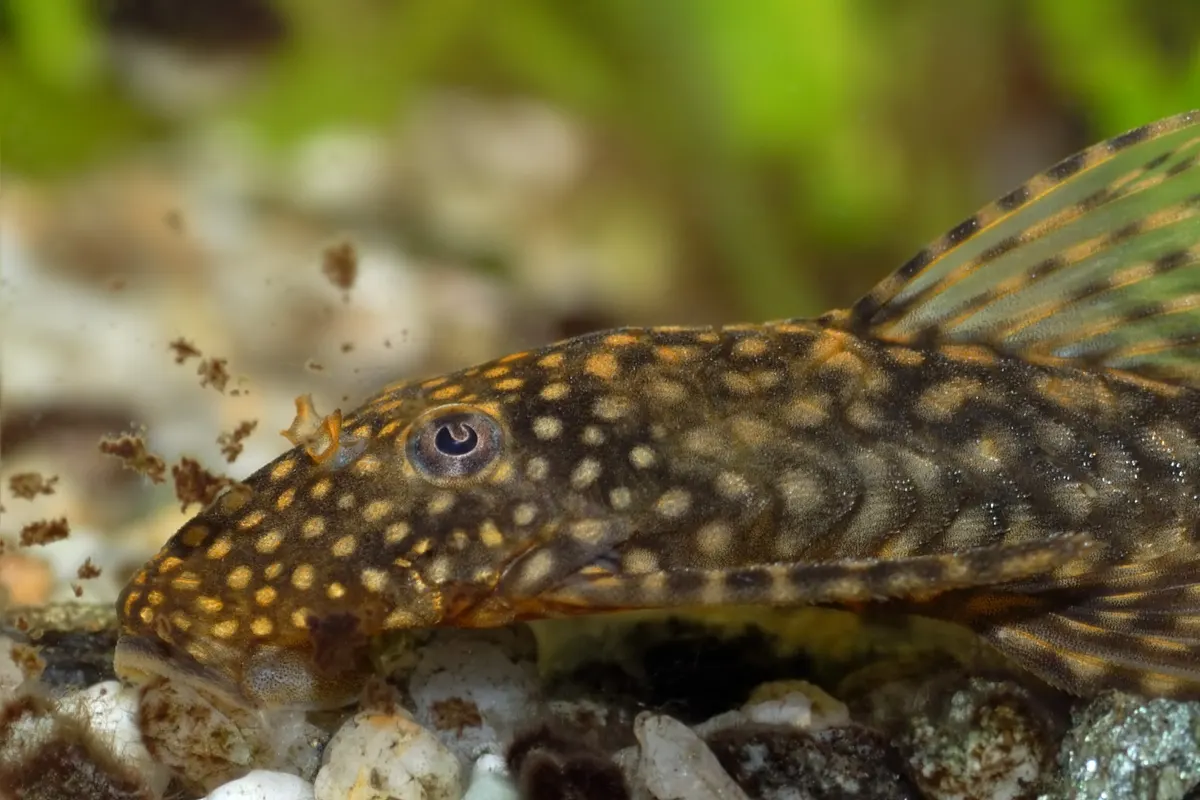
Bristlenose Pleco
Ancistrus spp.
The pleco that actually fits in a home tank — and eats algae.
Rasp green algae and biofilm off glass, wood, and hardscape.
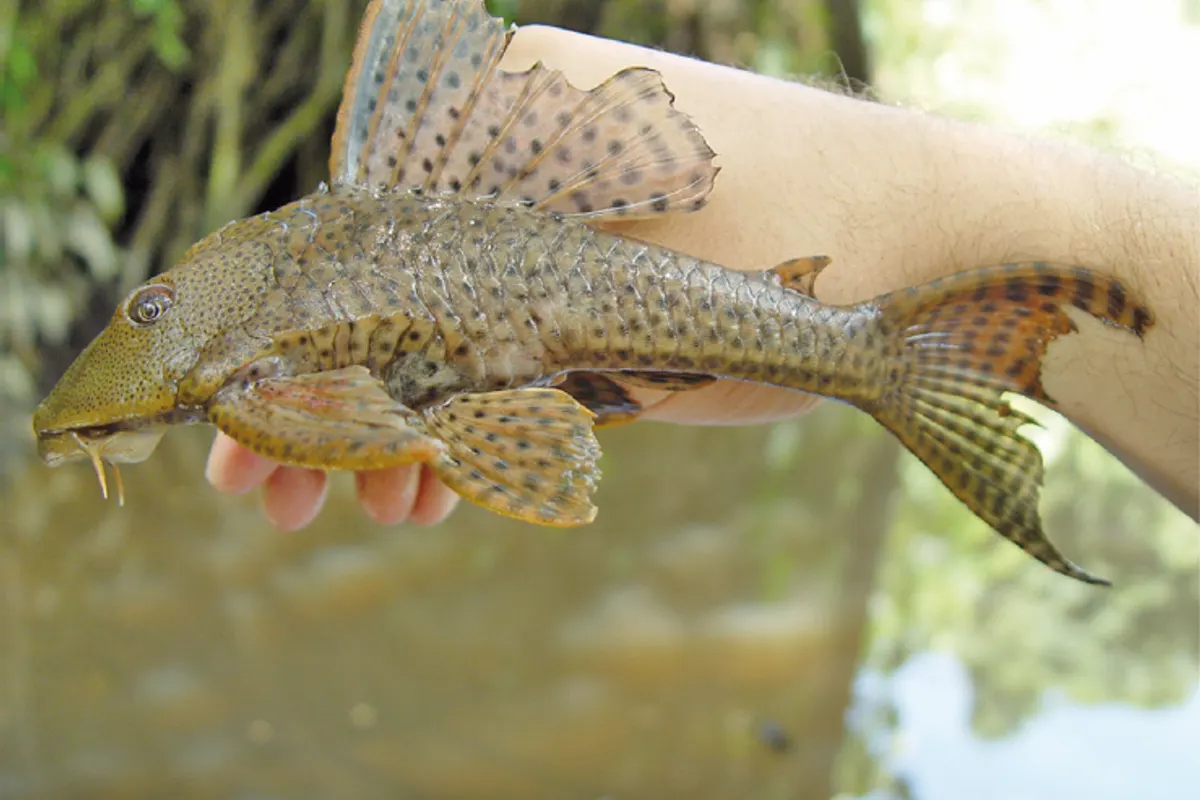
Common Pleco
Hypostomus plecostomus
Sold as an algae eater. Becomes an 18-inch waste factory.
Juveniles do eat algae.
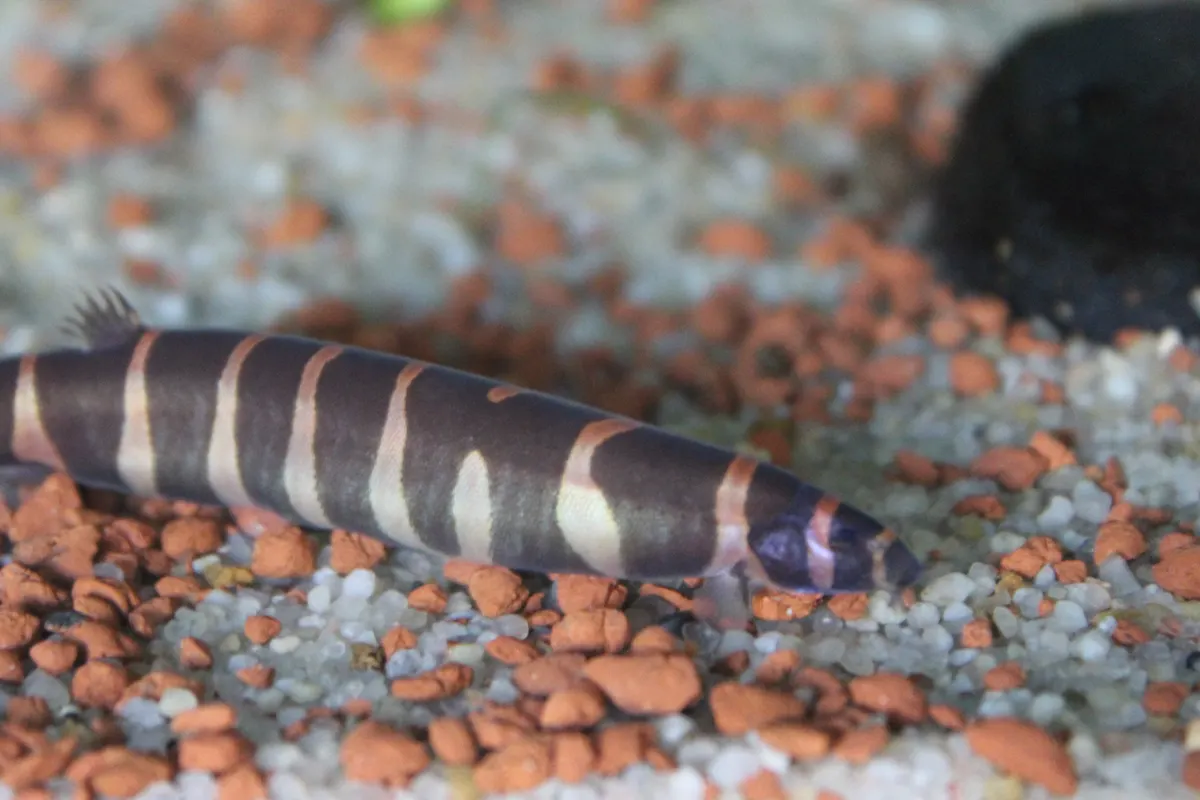
Kuhli Loach
Pangio kuhlii
Nocturnal sand noodles. They work leftover food after lights-out.
Pick food that hit the sand overnight.
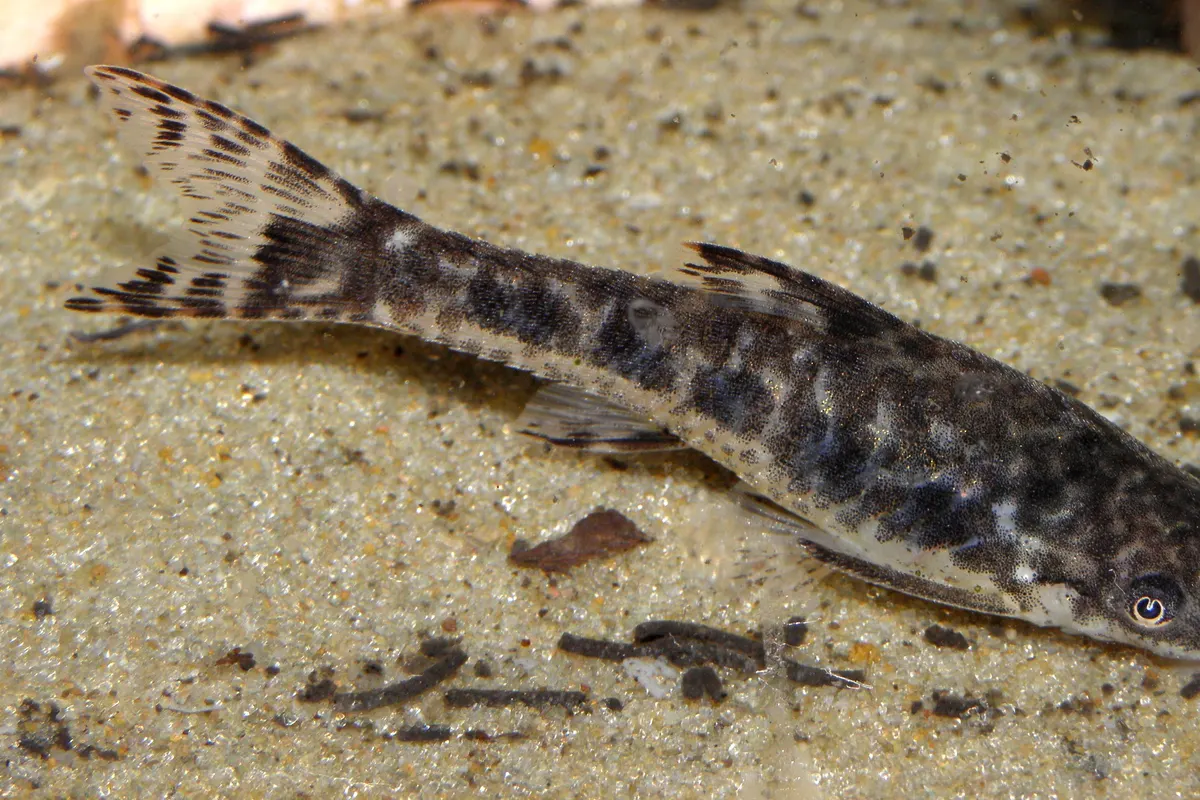
Otocinclus
Otocinclus spp.
Tiny algae grazer for a mature planted tank.
Best small fish for soft green algae on leaves and glass.
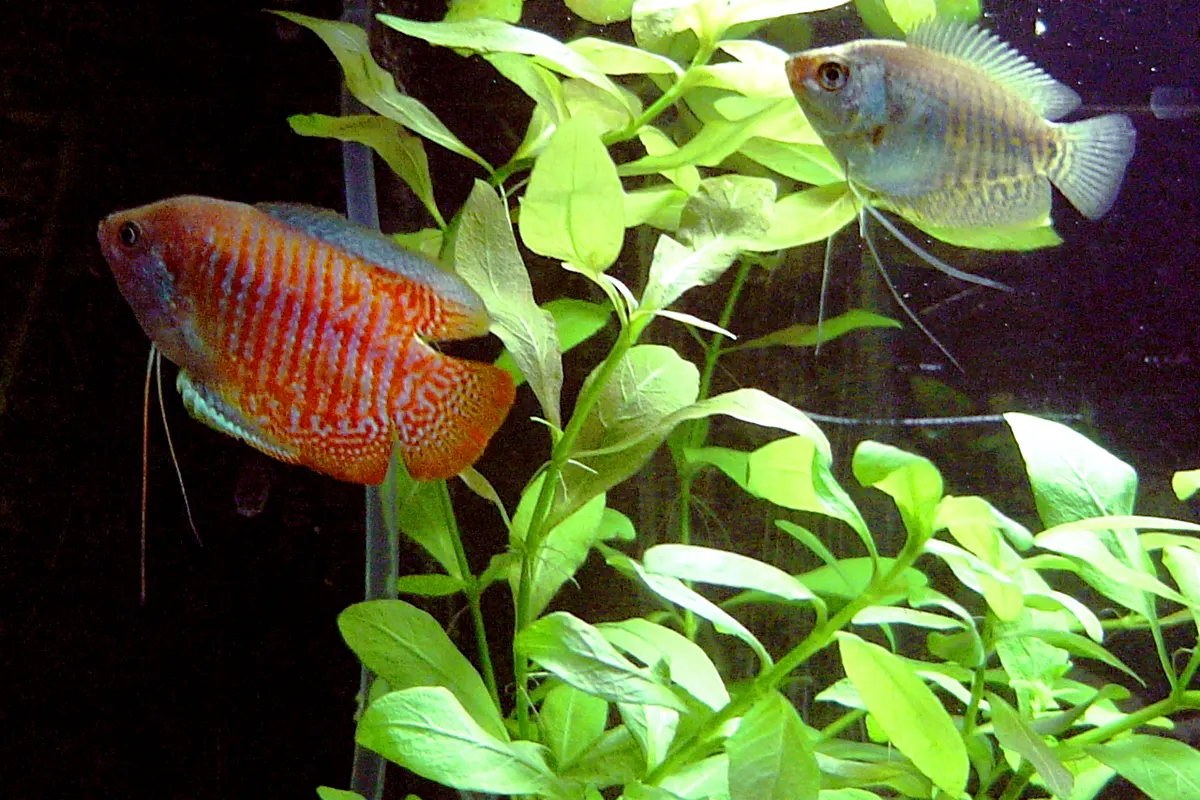
Dwarf Gourami
Trichogaster lalius
Shy top-dweller for a planted 10–20.
Uses the top third without the betta lottery.
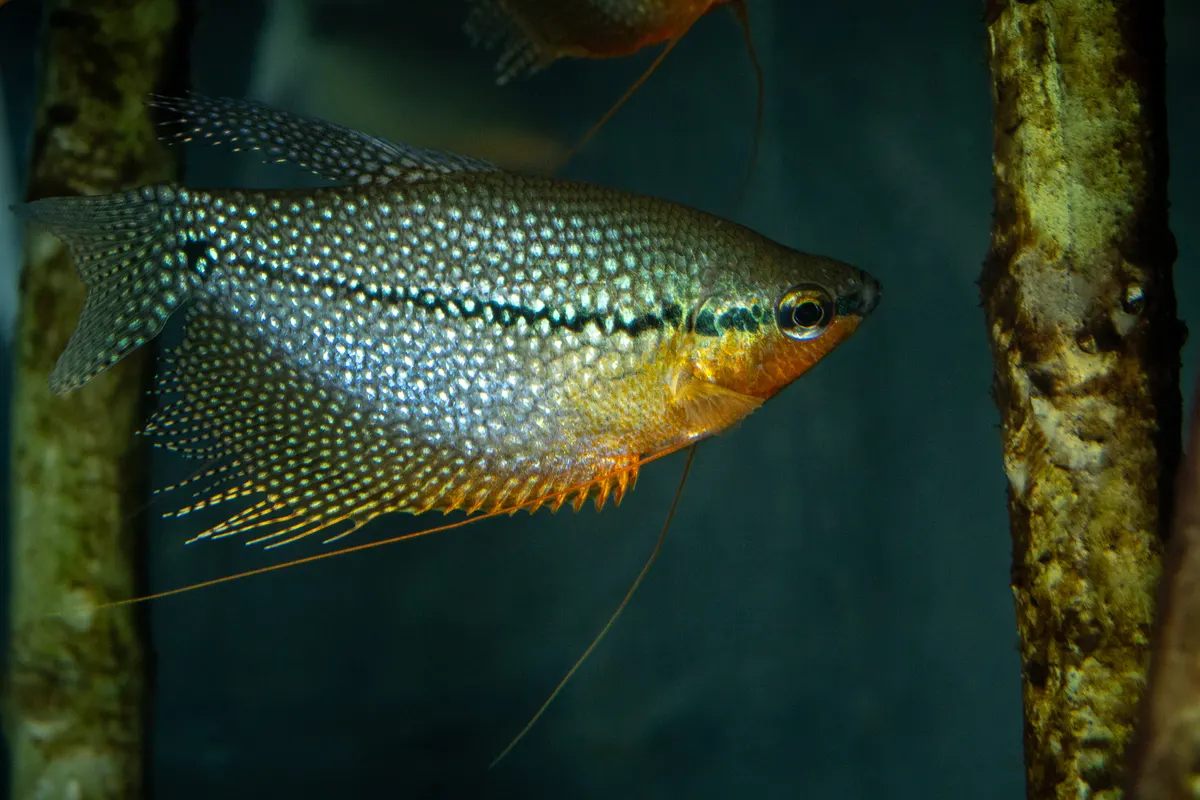
Pearl Gourami
Trichopodus leerii
A larger, calmer gourami centrepiece.
Will pick at hydra and some leftover food at the surface.
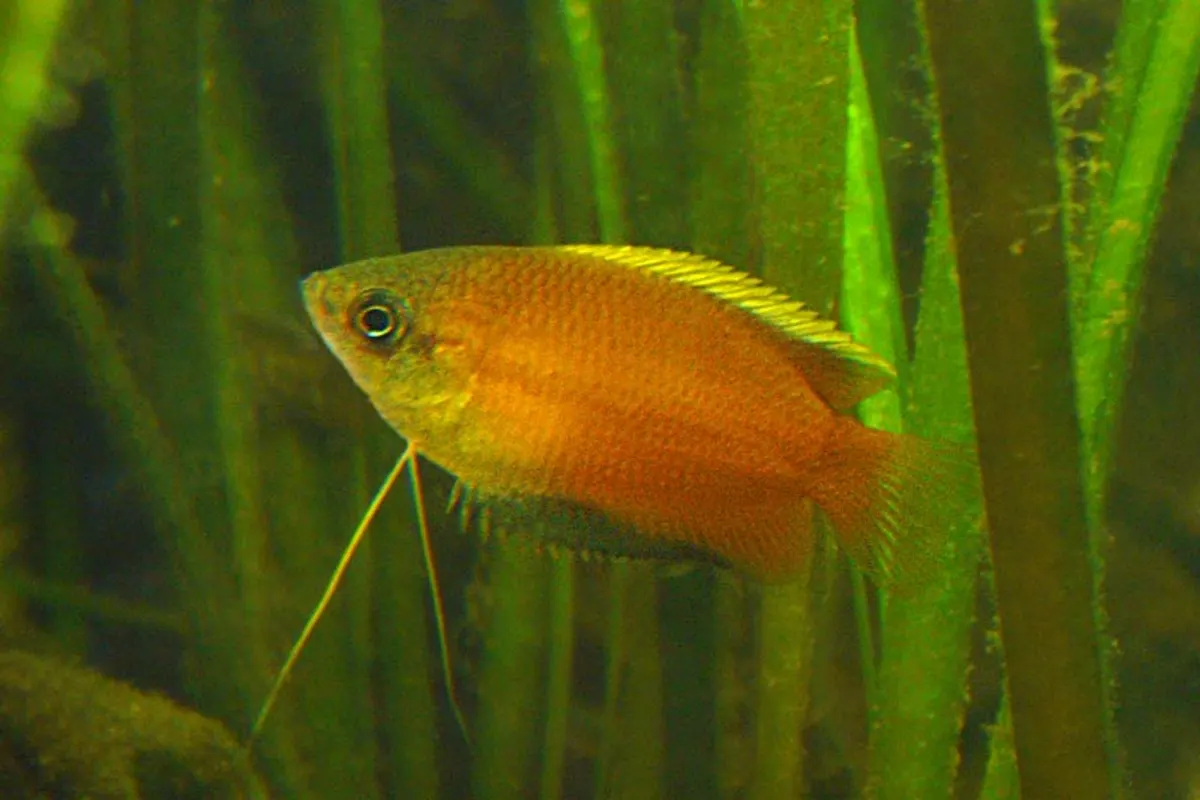
Honey Gourami
Trichogaster chuna
Small peaceful labyrinth fish for a planted 10.
Less drama than a betta, less speed than danios.
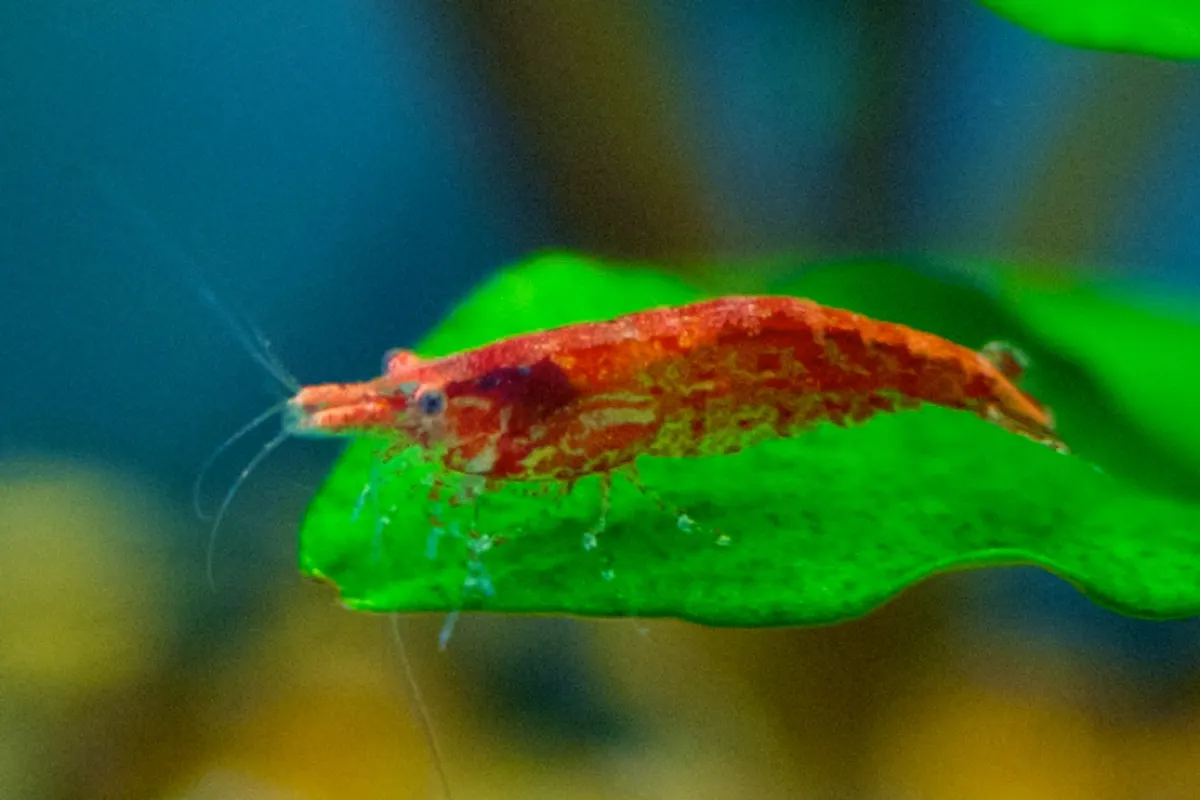
Cherry Shrimp
Neocaridina davidi
Biofilm and leftover-food crew that also breeds.
Pick uneaten flakes and film off plants and hardscape.
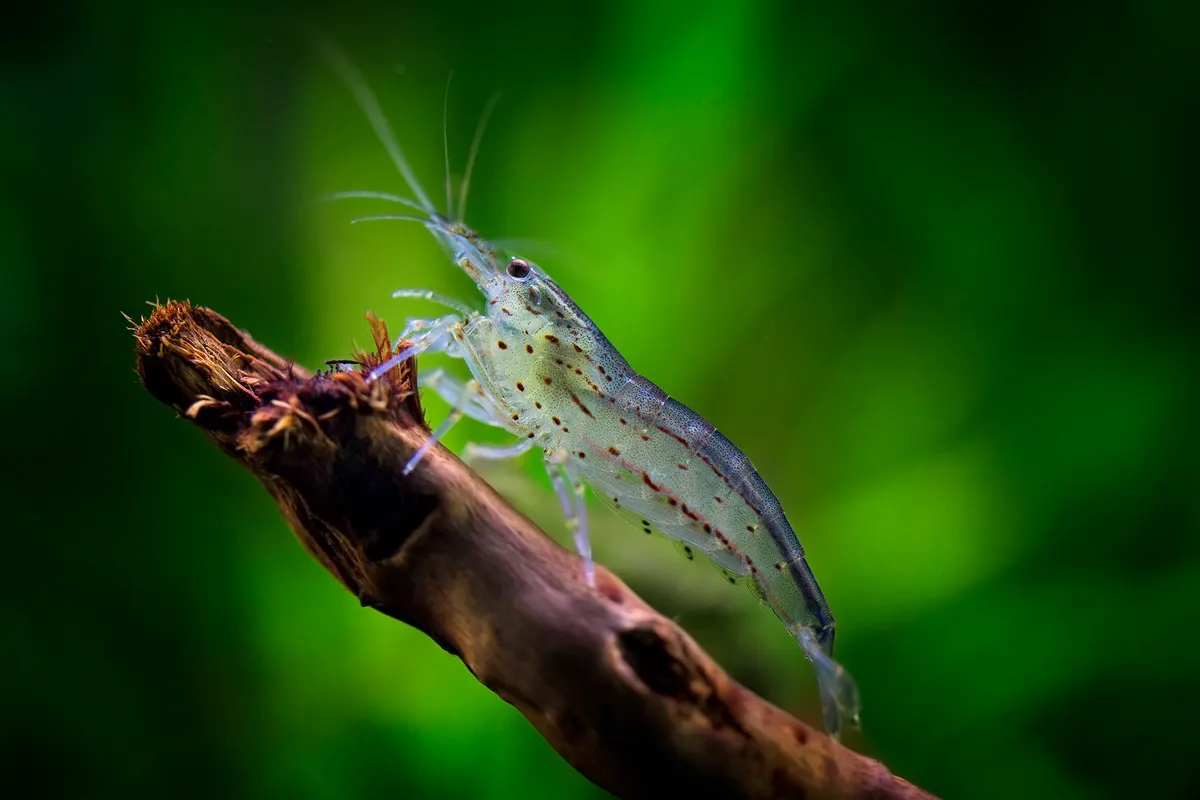
Amano Shrimp
Caridina multidentata
The algae shrimp that stays aquarium-sized.
Best invertebrate for green algae on glass and plants.
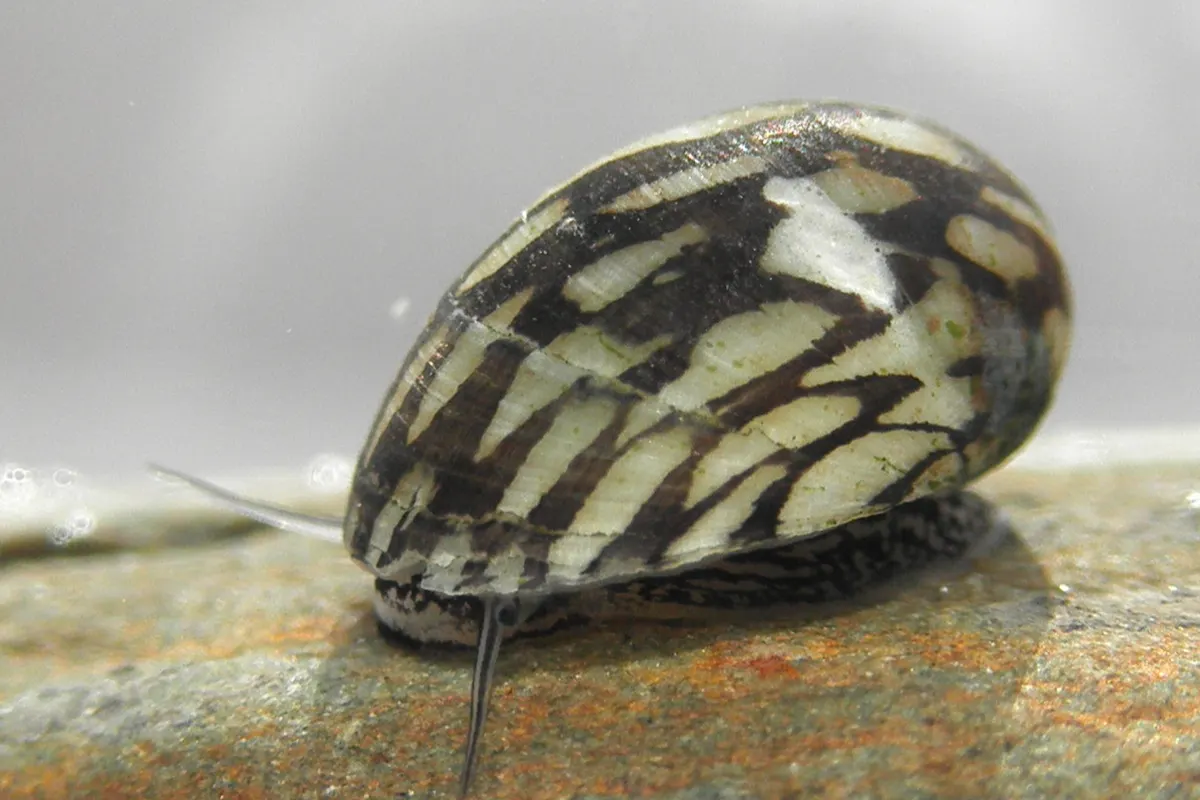
Nerite Snail
Neritina natalensis
Glass-algae snail that will not flood a freshwater tank with babies.
Best snail for green algae on glass and hardscape.
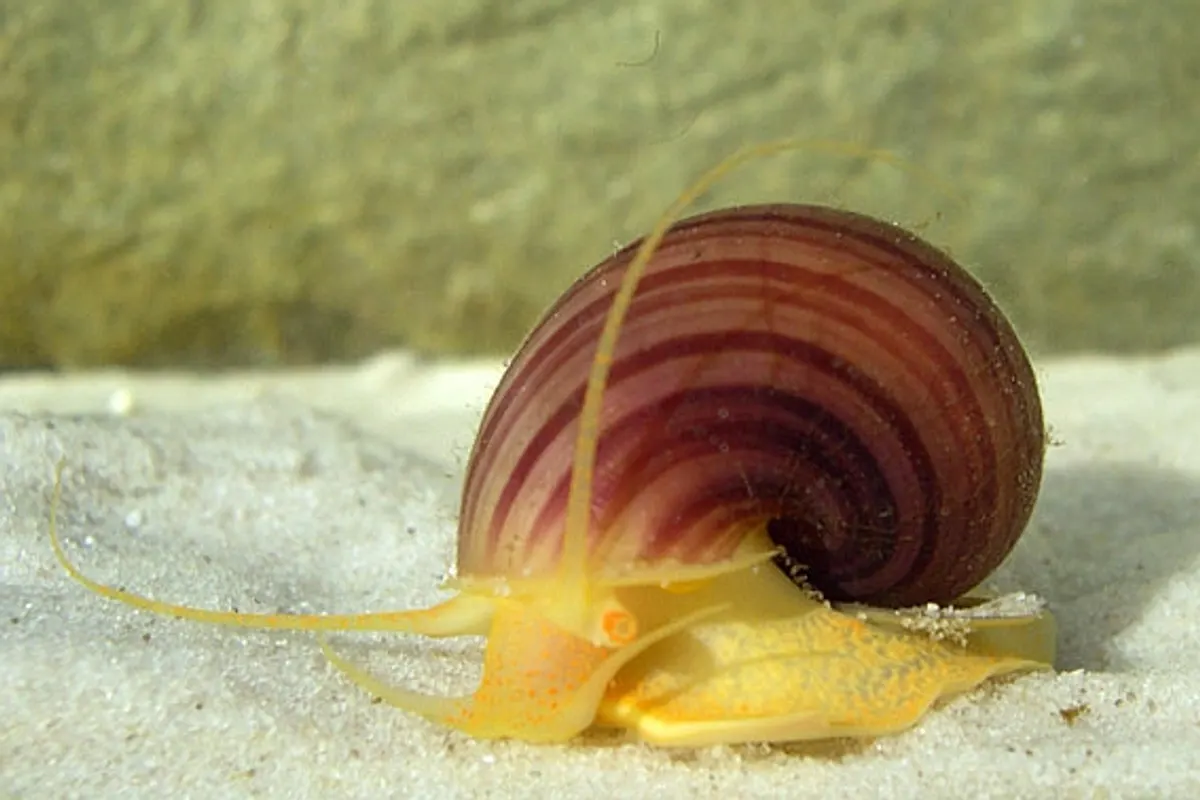
Mystery Snail
Pomacea bridgesii
Hungry scavenger. Cleans leftover food; will eat plants if underfed.
Pick up uneaten food before it becomes ammonia.