Corydoras Catfish
Corydoras spp.
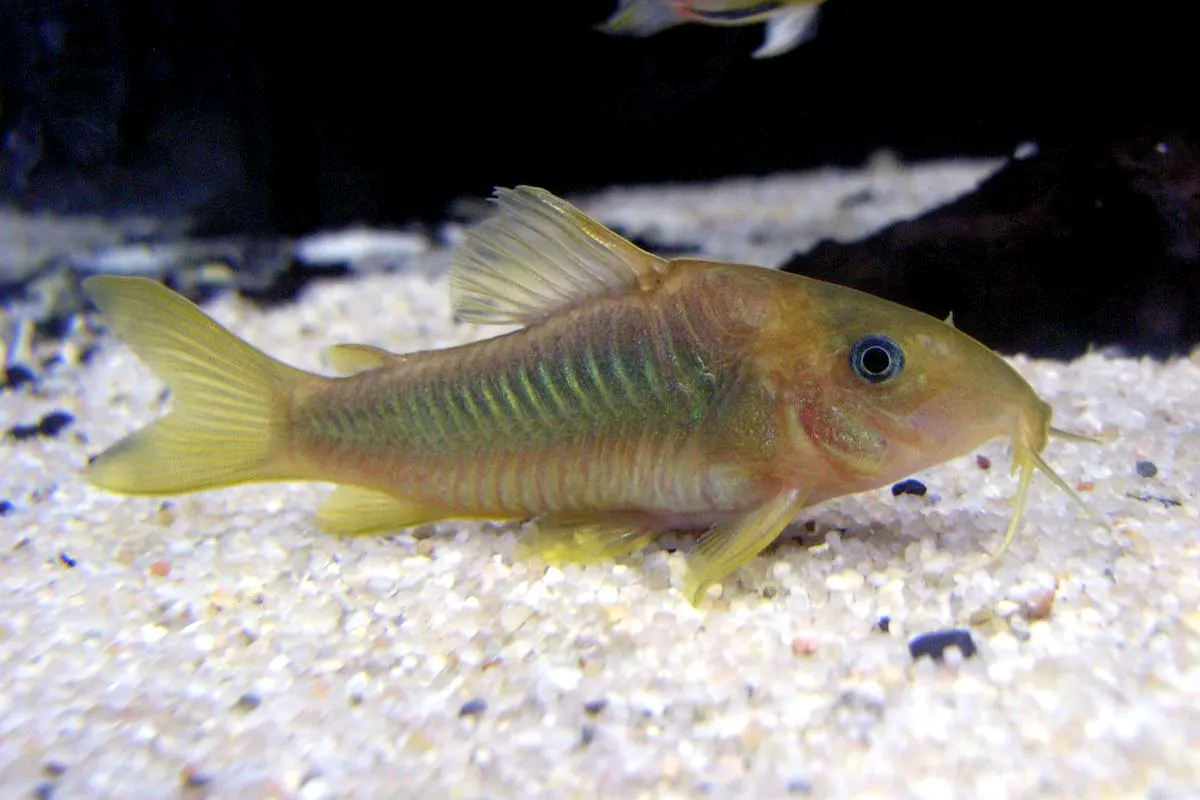
Photo: Wikipedia / Wikimedia Commons
The correct bottom crew for a community. Sand, not gravel that shreds barbels. Buy six, not two.
The correct bottom crew for a community.
In the tank
- Sift sand so leftover food and mulm do not sit and rot.
- They do not eat algae. They do not replace a filter.
- Water
- freshwater
- Temperament
- Peaceful
- Swims
- Bottom
- Adult size
- 2.5 in
- Minimum tank
- 20 gal
- Group
- School of 6+
- Temperature
- 72–78°F
- pH
- 6.5–7.5
- Diet
- Sinking wafers, frozen bloodworms, and leftover food that hits the sand. They starve in tanks that only get flakes at the surface.
- Beginner
- Yes, if the tank is cycled
How to keep them
- Sand, not gravel that shreds barbels.
- Sinking food. Six fish, not two.
- They starve in tanks that only get flakes at the surface.
Tankmates
Tetras, rasboras, bristlenose, shrimp.
Avoid
Large cichlids that bully the sand, and goldfish that out-eat them.
Check tankmates · Stocking calculator
Same group
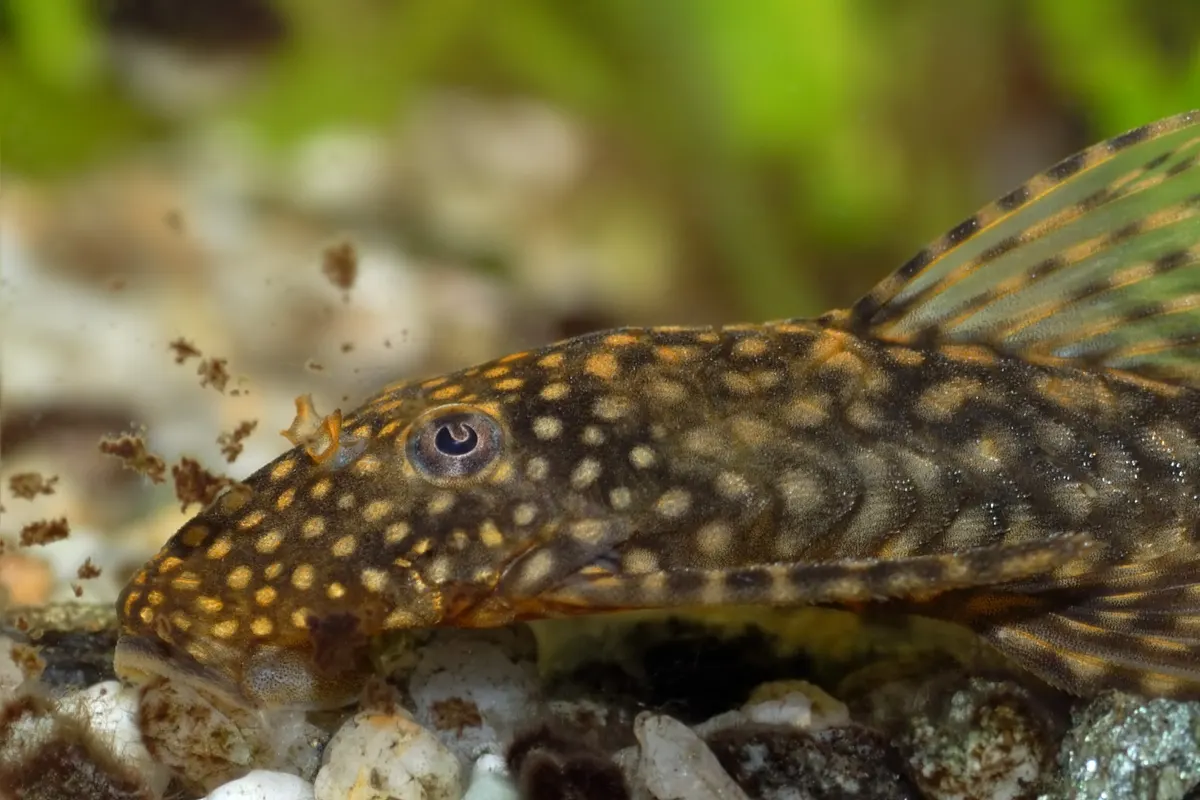
Bristlenose Pleco
Ancistrus spp.
The pleco that actually fits in a home tank — and eats algae.
Rasp green algae and biofilm off glass, wood, and hardscape.
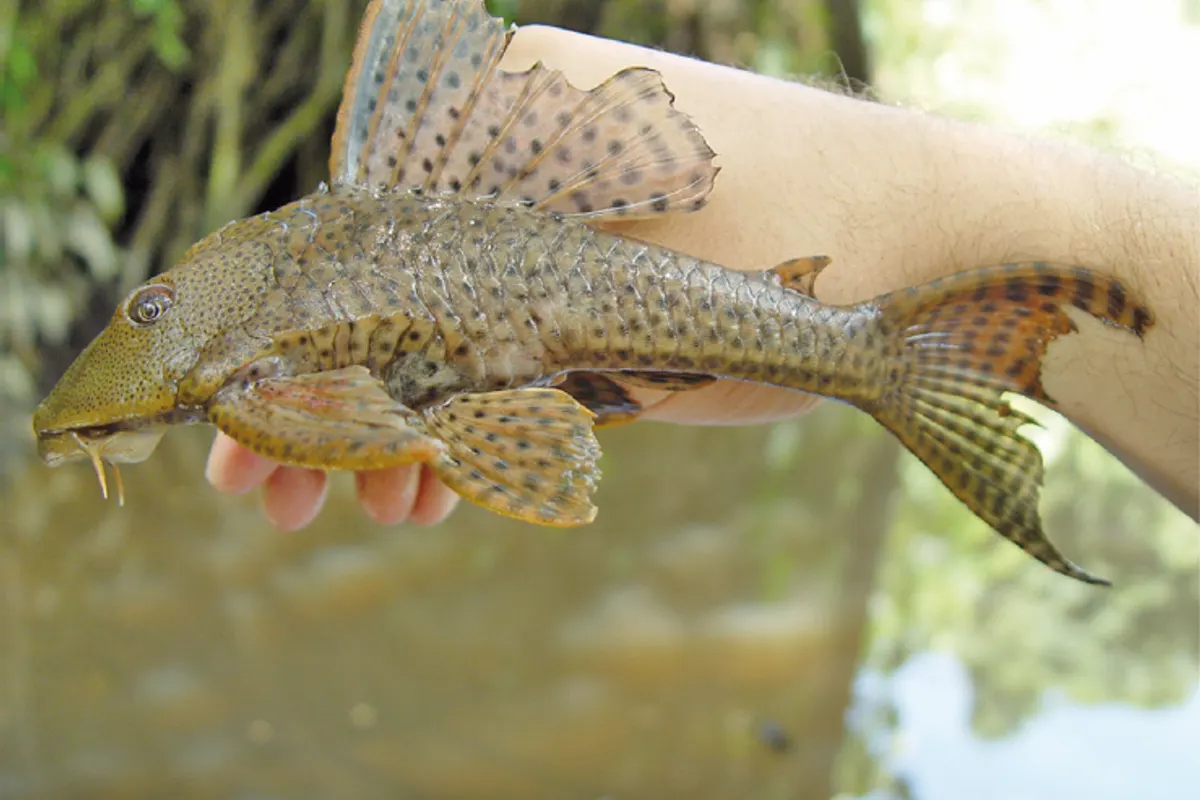
Common Pleco
Hypostomus plecostomus
Sold as an algae eater. Becomes an 18-inch waste factory.
Juveniles do eat algae.
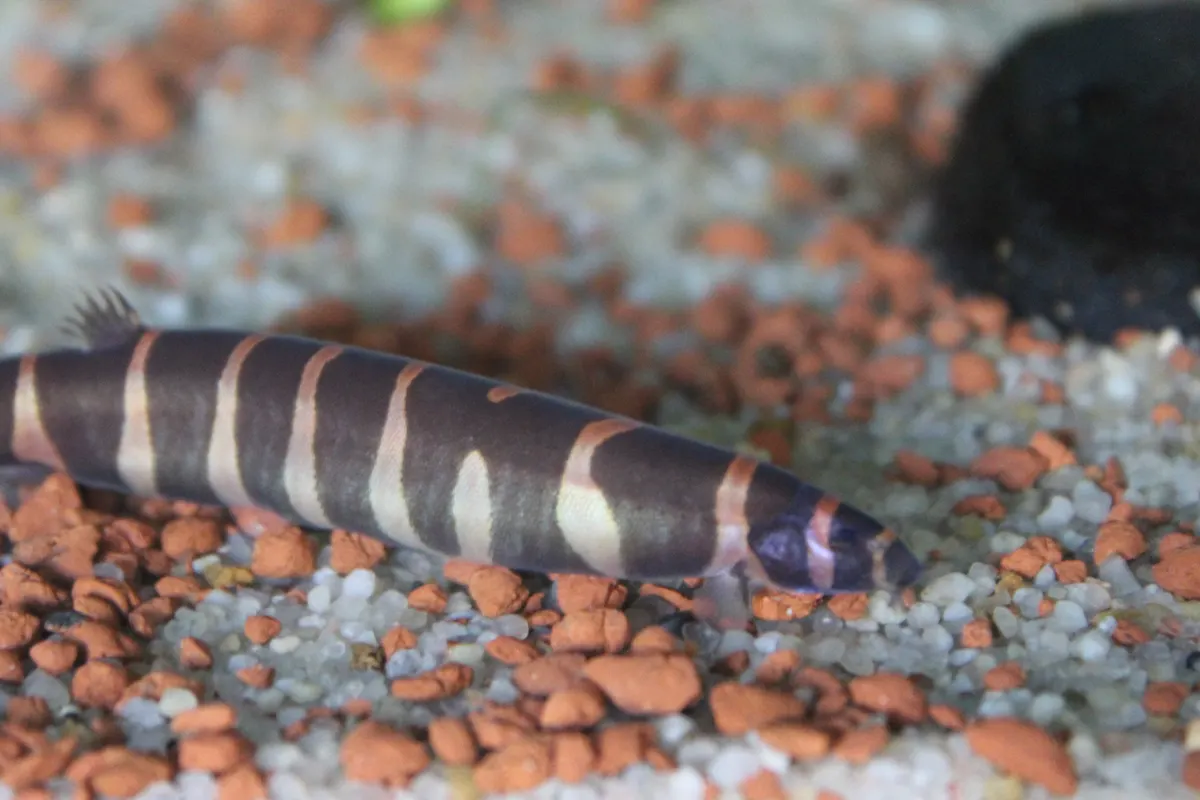
Kuhli Loach
Pangio kuhlii
Nocturnal sand noodles. They work leftover food after lights-out.
Pick food that hit the sand overnight.
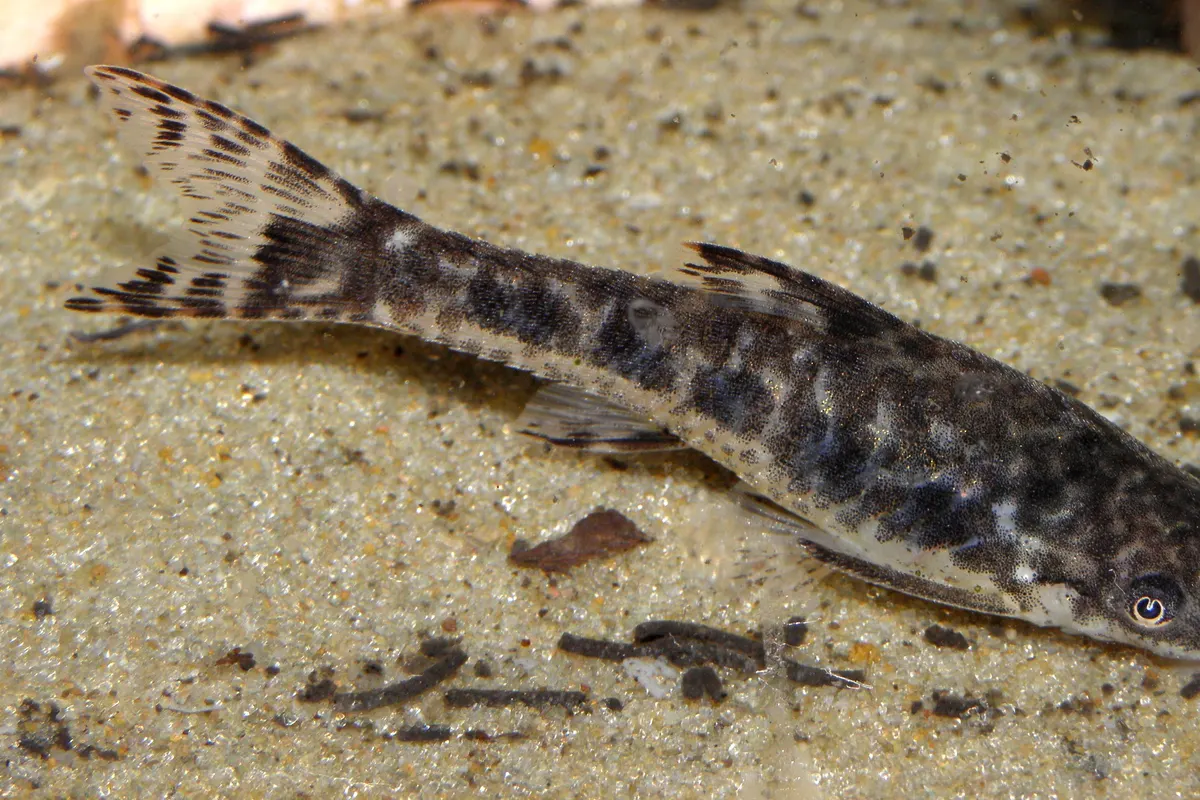
Otocinclus
Otocinclus spp.
Tiny algae grazer for a mature planted tank.
Best small fish for soft green algae on leaves and glass.
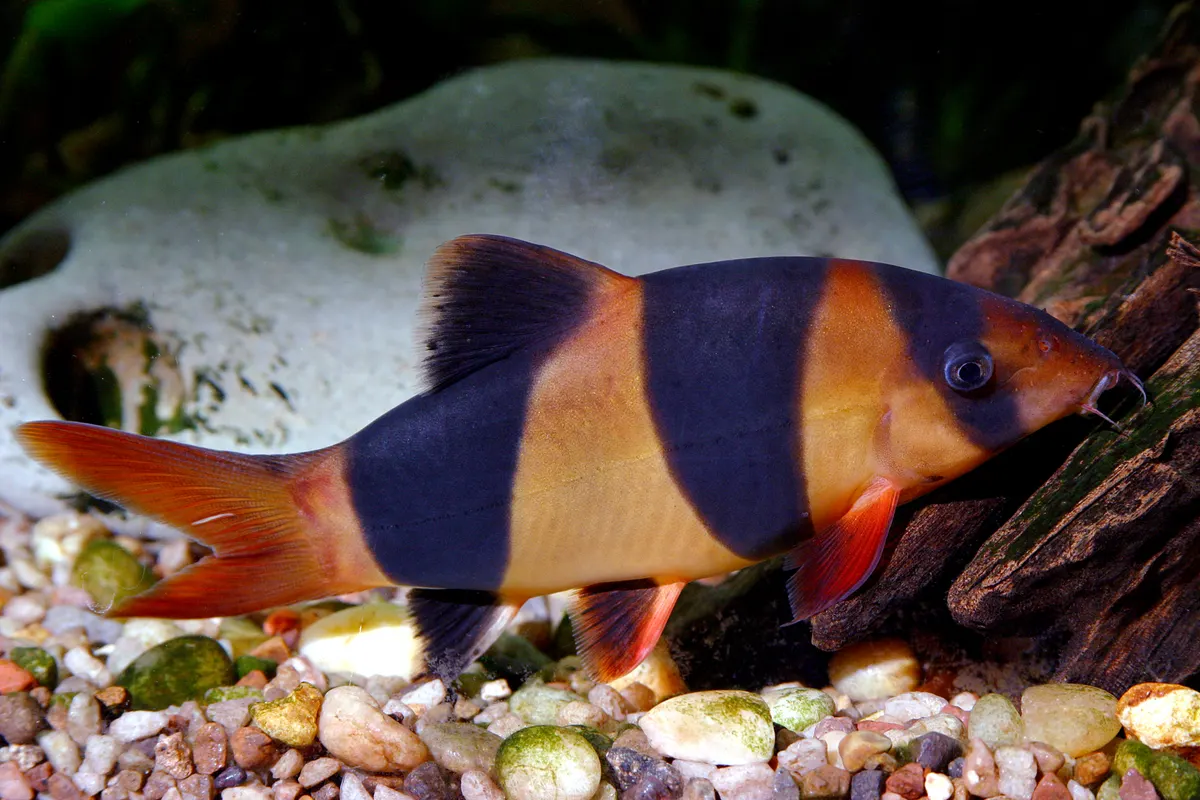
Clown Loach
Chromobotia macracanthus
Snail-eater that outgrows the tank it was sold for.
Will hunt pest bladder snails.
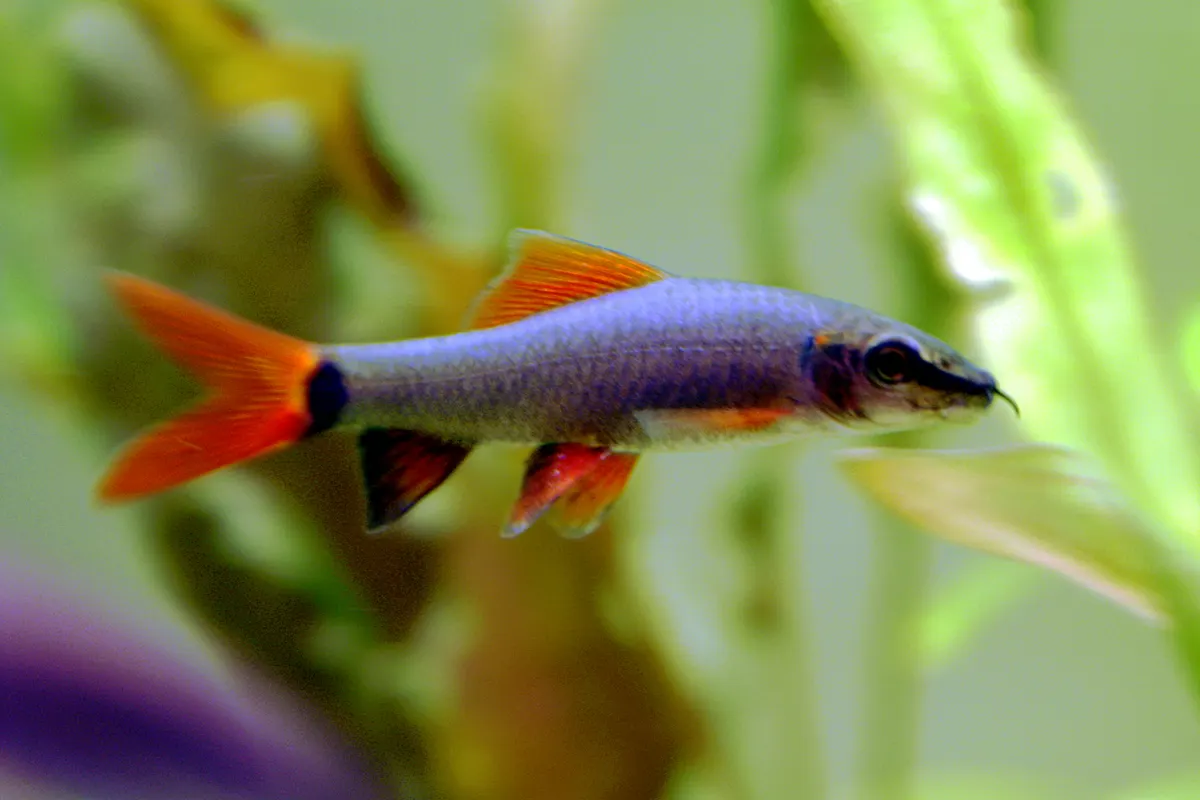
Rainbow Shark
Epalzeorhynchos frenatum
One shark per tank. Owns the lower third.
Picks some algae and leftover food on the bottom.