Livestock · 11 min read
How to Keep Freshwater Shrimp
Temperature, water, breeding, and tankmates that won’t eat your colony
Neocaridina and Caridina: temperature, GH, copper, feeding, molting, and how they breed in a home tank.
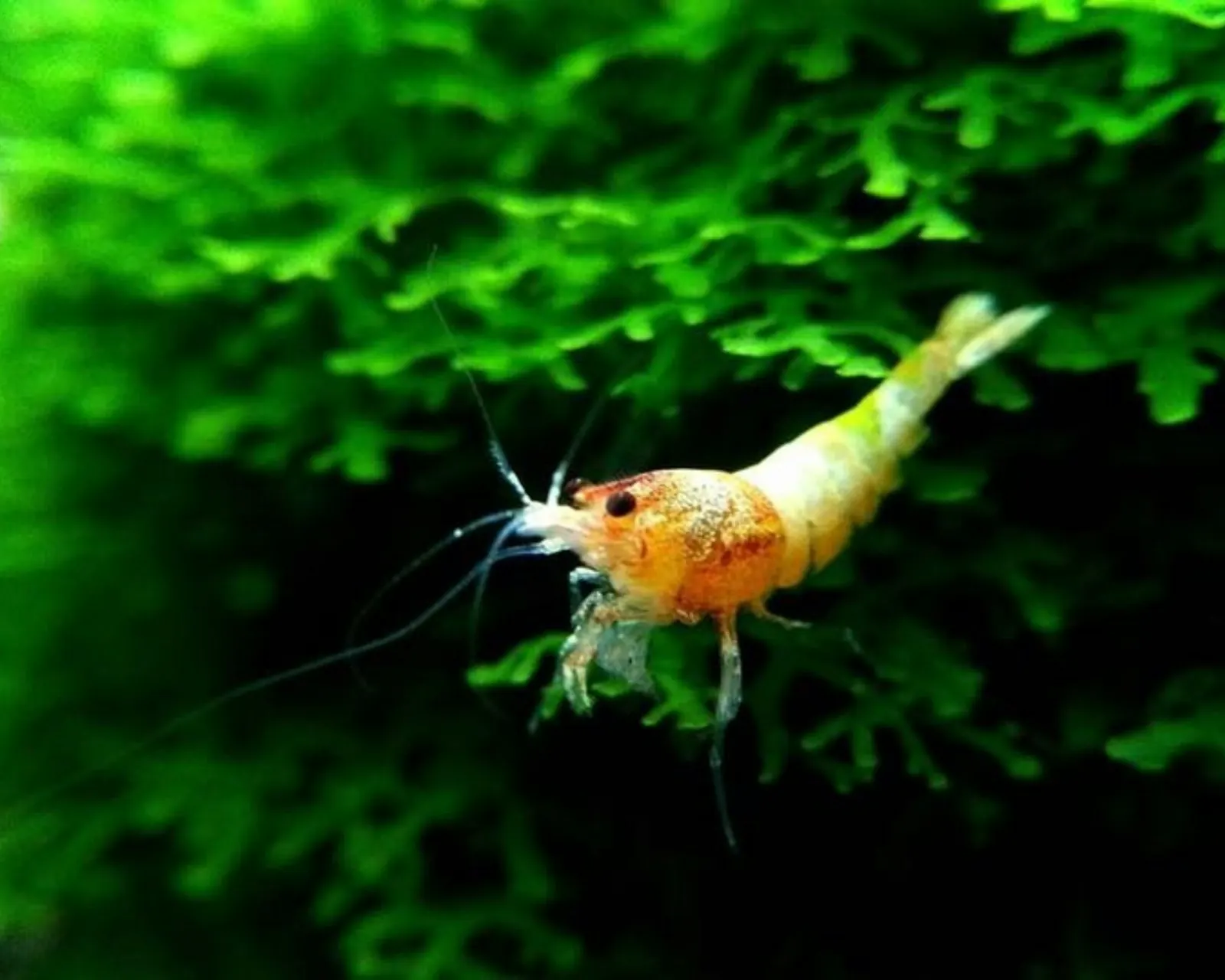
Photo: aquariumstocking / Unsplash
Start with cherry shrimp (Neocaridina davidi). They forgive tap that is not RO. Crystal / bee shrimp (Caridina) want soft, stable water — that is a second tank, not a first colony.
They are not a filter. They eat biofilm and leftover food. They still produce waste. Copper in ich meds will wipe them out. Fish with mouths bigger than a shrimp will too.
Best starter shrimp
| Type | Difficulty | Typical water | Notes |
|---|---|---|---|
| Cherry / Neocaridina (red, yellow, blue, etc.) | Easy | Soft–hard OK if stable | Best first shrimp |
| Amano shrimp | Easy–moderate | Wide range | Great algae eaters; rarely breed in freshwater |
| Caridina (crystal red/black, bees) | Intermediate | Soft, low GH/KH, often RO | Need stable parameters |
Start with 10+ Neocaridina so shy individuals still feel safe and a few can breed without vanishing into moss.
Tank setup
- Size — 5–10 gallons works for a dedicated shrimp nano; larger is more stable.
- Filter — Sponge filter or a gentle HOB with a pre-filter sponge so babies aren’t sucked in.
- Cover — Plants, moss, leaf litter, and wood give biofilm and hiding spots.
- Substrate — Inert sand/gravel is fine for Neocaridina. Many Caridina keepers use buffered shrimp soil.
- Heater — Use one unless your room stays reliably in range year-round.
Cycle the tank fully before adding shrimp. Ammonia and nitrite should stay at 0.
Temperature
Most Neocaridina thrive at 70–78°F (21–26°C).
- Sweet spot: about 72–76°F — active, colorful, and breeding-friendly.
- Cooler (low 70s) can slow metabolism and extend lifespan a bit.
- Hotter (above ~80°F) stresses them, lowers oxygen, and can shorten lifespan.
Caridina often prefer the cooler end of that range and hate swings. Aim for stability over chasing a perfect number.
Water quality & parameters
Shrimp are more sensitive to copper, sudden swings, and spikes than many fish.
Targets for Neocaridina (typical):
- Ammonia / nitrite: 0 ppm
- Nitrate: under ~20–40 ppm (lower is nicer for breeding)
- pH: roughly 6.5–8.0 (stable matters more than exact)
- GH: about 6–12°dGH (minerals for molting)
- KH: about 2–8°dKH
Caridina usually want softer water (often GH ~4–6, low KH, pH closer to 6–6.8) and many keepers reminalize RO water with shrimp-specific salts.
Do:
- Dechlorinate every water change
- Match temperature and TDS as closely as you can when changing water
- Prefer small, frequent changes (10–20% weekly) over huge dumps
Don’t:
- Use copper-based meds or plant ferts with copper in a shrimp tank
- Blast them with uncycled water or big parameter swings
- Overdose fertilizers — when in doubt, dose lightly and watch nitrate
Test kits (or strips as a rough check) beat guessing. Use the water change calculator so percentage changes stay consistent.
Feeding
Shrimp spend most of the day grazing biofilm on plants, wood, and glass. Supplement lightly:
- Quality shrimp pellets or wafers a few times a week
- Blanched veggies (zucchini, spinach) — remove leftovers same day
- Occasional protein (bloodworms) — sparingly
If food sits more than a couple of hours, you’re feeding too much. Overfeeding fouls water and invites pests (planaria, hydra).
Molting (why they look “empty”)
Shrimp shed their exoskeleton to grow. You may find clear “ghost” shells — that usually means a successful molt, not a death.
Failed molts often point to unstable GH, mineral deficiency, or stress. Keep GH in range and avoid crashing parameters after big water changes.
How shrimp breed
Neocaridina breed readily in normal freshwater aquariums:
- Males and females mate after the female molts.
- The female carries fertilized eggs under her swimmerets (“berried”). Eggs look yellow/green/brown depending on color form.
- After ~3–4 weeks (temperature-dependent), miniature shrimp hatch — no larval stage in saltwater.
- Shrimplets hide in moss and graze biofilm; adults do not typically eat them if the colony is well fed.
Amano shrimp need brackish/marine larval stages — they almost never produce surviving babies in a home freshwater tank.
Caridina breed similarly to Neocaridina (direct development for many bee/crystal lines) but need their softer water dialed in, or berried females may drop eggs.
To raise a colony: dense moss, gentle filtration, no predatory fish, and patience. Babies take weeks before they’re obvious “red dots” on glass.
Tankmates
Safe-ish companions: small peaceful fish (ember tetras, chili rasboras, otocinclus), snails, and other shrimp of the same type/color line if you care about breeding true colors.
Risky or incompatible: most cichlids, goldfish, larger tetras, bettas (individual luck), crayfish, and anything that hunts invertebrates. Check compatibility before mixing.
If your goal is maximum breeding, a shrimp-only tank wins every time.
Acclimation
Shrimp hate TDS/temperature shock. Use drip acclimation for 45–90 minutes when moving them into new water — especially Caridina or after shipping. See how to acclimate fish and apply the same slow drip method.
Quick troubleshooting
| Symptom | Likely cause | First move |
|---|---|---|
| Sudden die-off after change | Parameter swing / chlorine / copper | Huge water match next time; check dechlorinator |
| White ring / failed molt | GH/minerals off | Stabilize GH; smaller changes |
| Berried but no babies | Fish predation / filter intake | Pre-filter sponge; more moss; shrimp-only |
| Losing color | Stress, poor diet, genetics | Stable temps, varied food, denser cover |
Starter checklist
- Cycled tank, sponge-safe filtration
- Stable 72–76°F for Neocaridina
- Plants + moss for biofilm and cover
- Group of 10+ starter shrimp
- Gentle feeding and small weekly water changes
Once parameters are boringly stable, shrimp mostly take care of themselves — and a healthy colony will quietly multiply on its own.
Related
- Feeding aquarium fish
How much to feed freshwater fish, how often, what to buy, and why leftover flakes are an ammonia problem — not a kindness.
- How to acclimate new fish
Float method vs drip acclimation for freshwater fish and shrimp — when to use each, and why bag water stays out of the tank.
- Choosing Compatible Tankmates
Temperament, water parameters, and adult size — what actually matters when mixing species, with a yes/no table for common store mixes.