Livestock · 9 min read
How to acclimate new fish
Match temperature and chemistry. Do not pour the bag in.
Float method vs drip acclimation for freshwater fish and shrimp — when to use each, and why bag water stays out of the tank.
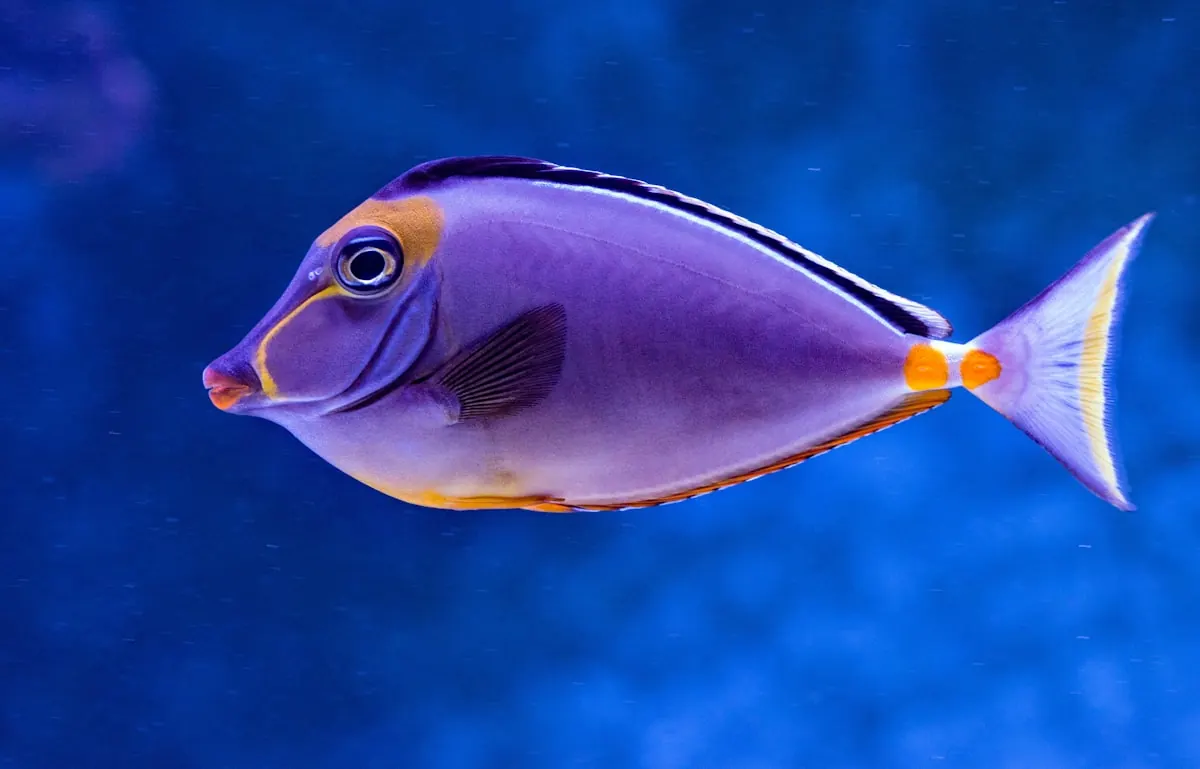
Photo: Unsplash
Floating the bag for ten minutes and dumping it in is how a lot of fish die. Acclimation matches temperature and water chemistry. It is not quarantine. It does not make an uncycled tank safe.
Check compatibility before the trip so you are not acclimating fish into a fight.
Float (hardy community fish, store water close to yours)
- Lights dim. Tank already cycled. Ammonia and nitrite at 0.
- Float the sealed bag 15–20 minutes.
- Open the bag. Add a small cup of tank water every 5 minutes for 15–20 minutes.
- Net the fish in. Throw the bag water away. It can carry disease, ammonia, and a pH you do not want.
Drip (shrimp, wild-caught, discus, big pH or GH gap)
- Livestock into a clean bucket with their bag water.
- Airline from the tank, knot or valve, 2–4 drops per second.
- Triple the volume slowly over 45–90 minutes. Dump some as it rises so the bucket does not flood the floor.
- Net into the tank. Bucket water goes down the drain.
Shrimp especially. Copper and GH swings kill colonies faster than impatience.
Rules
- No fish into ammonia or nitrite above 0.
- Point the outflow away from newcomers.
- Do not feed the first night.
- Winter bags: float longer. Do not blast a heater into the bag.
Bettas in cups still need temperature matching. The cup water is often worse than a bag. Net, do not pour.
Acclimation is not quarantine. If you can run a 10 with a sponge filter for two weeks, do that instead of hoping the shop tank was clean.
Related
- Feeding aquarium fish
How much to feed freshwater fish, how often, what to buy, and why leftover flakes are an ammonia problem — not a kindness.
- How to Keep Freshwater Shrimp
Neocaridina and Caridina: temperature, GH, copper, feeding, molting, and how they breed in a home tank.
- Choosing Compatible Tankmates
Temperament, water parameters, and adult size — what actually matters when mixing species, with a yes/no table for common store mixes.